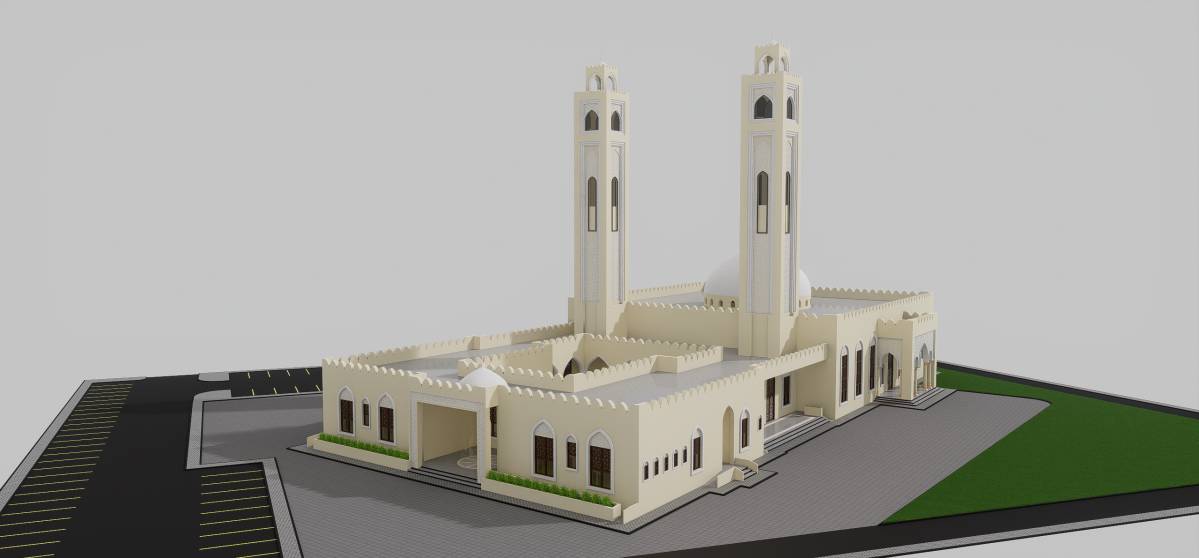
Mosque Façade Design Presentation
1. General Façade Design Overview
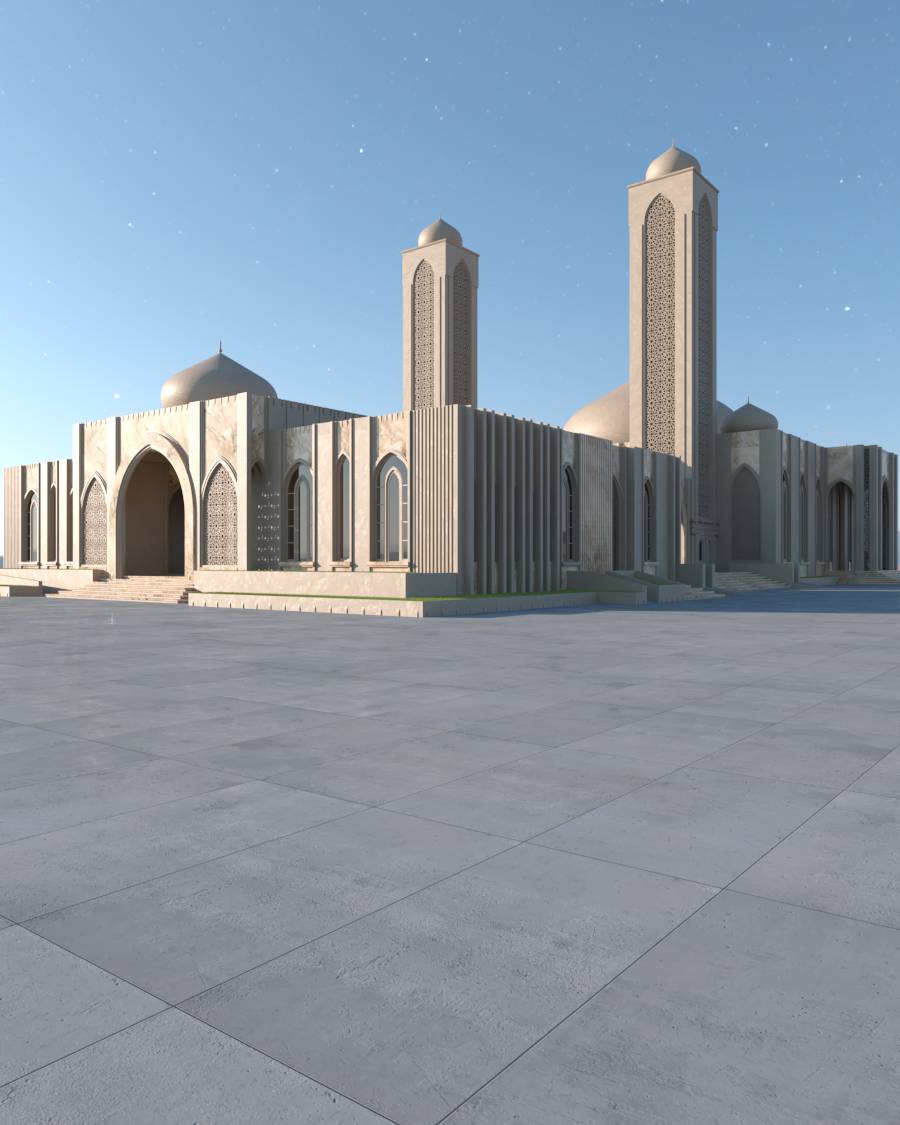
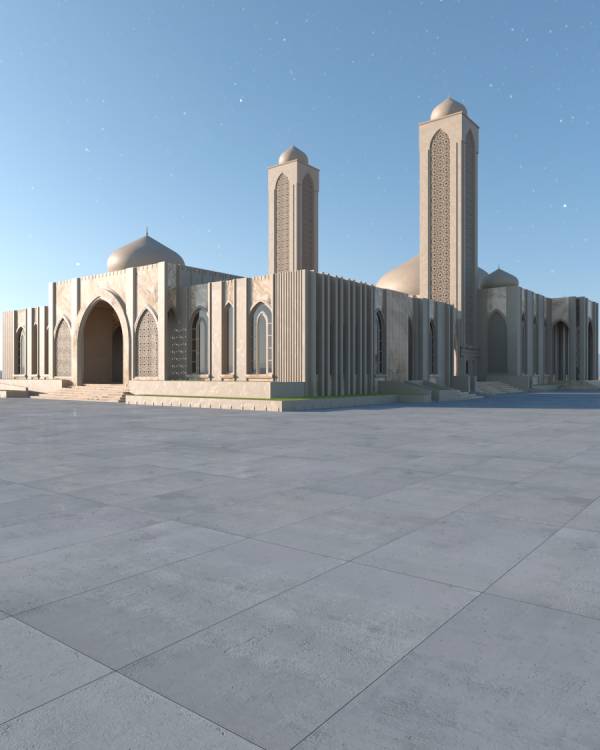
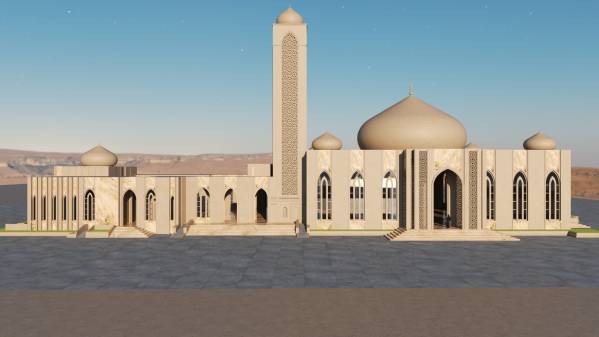
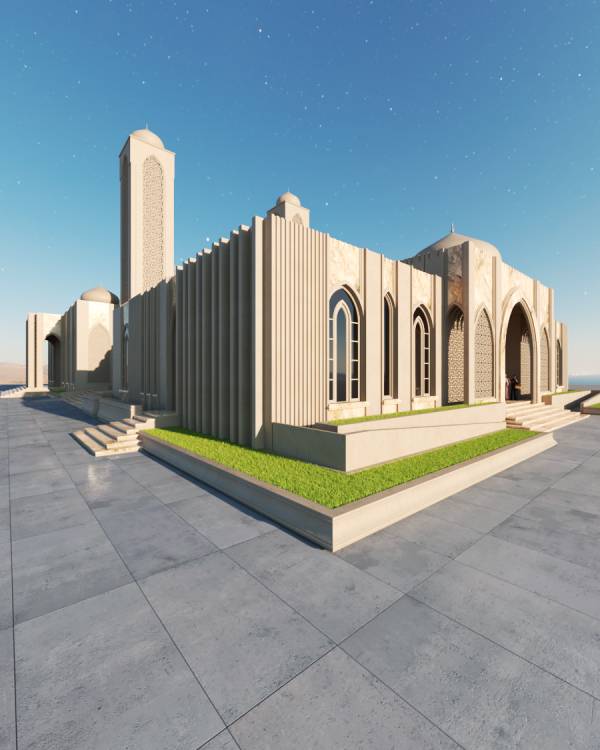
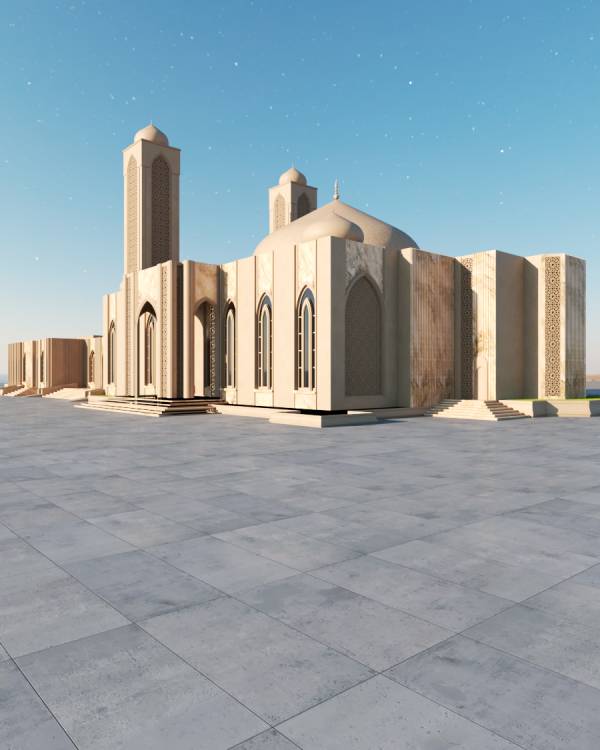
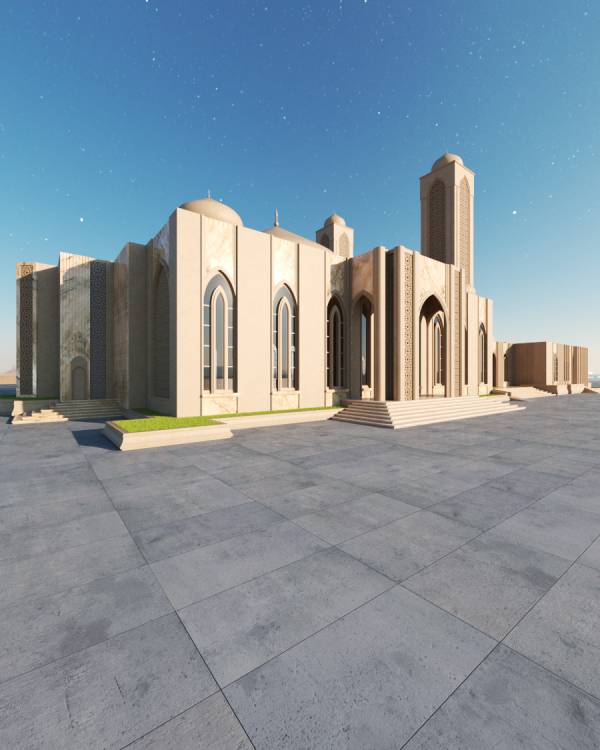
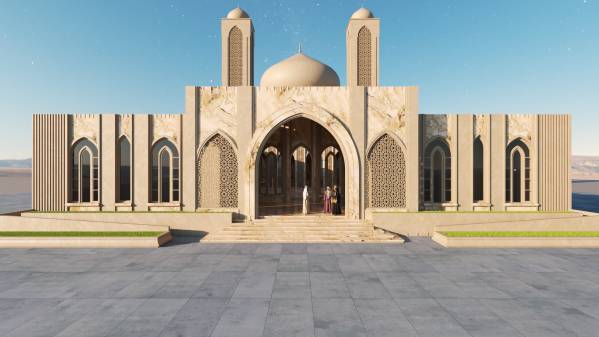
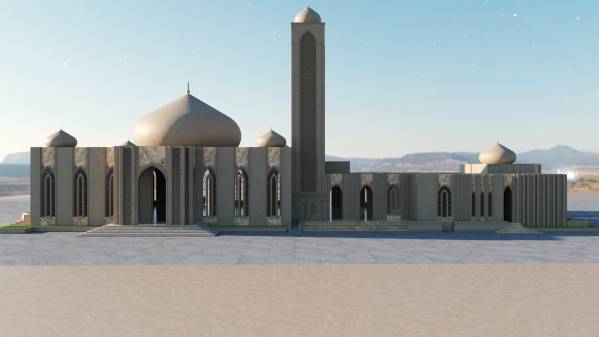
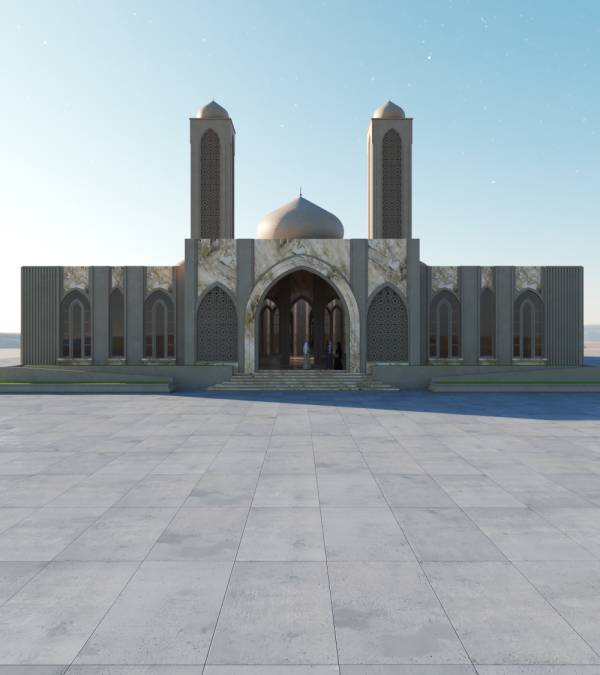
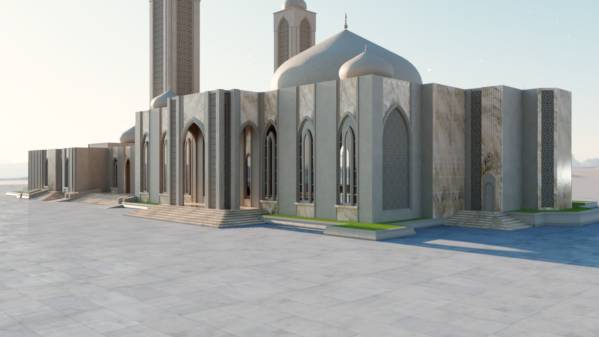
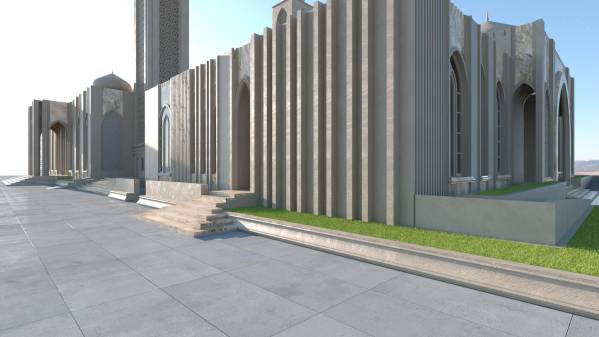
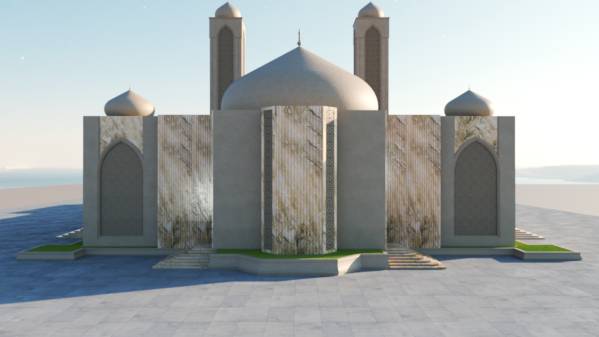
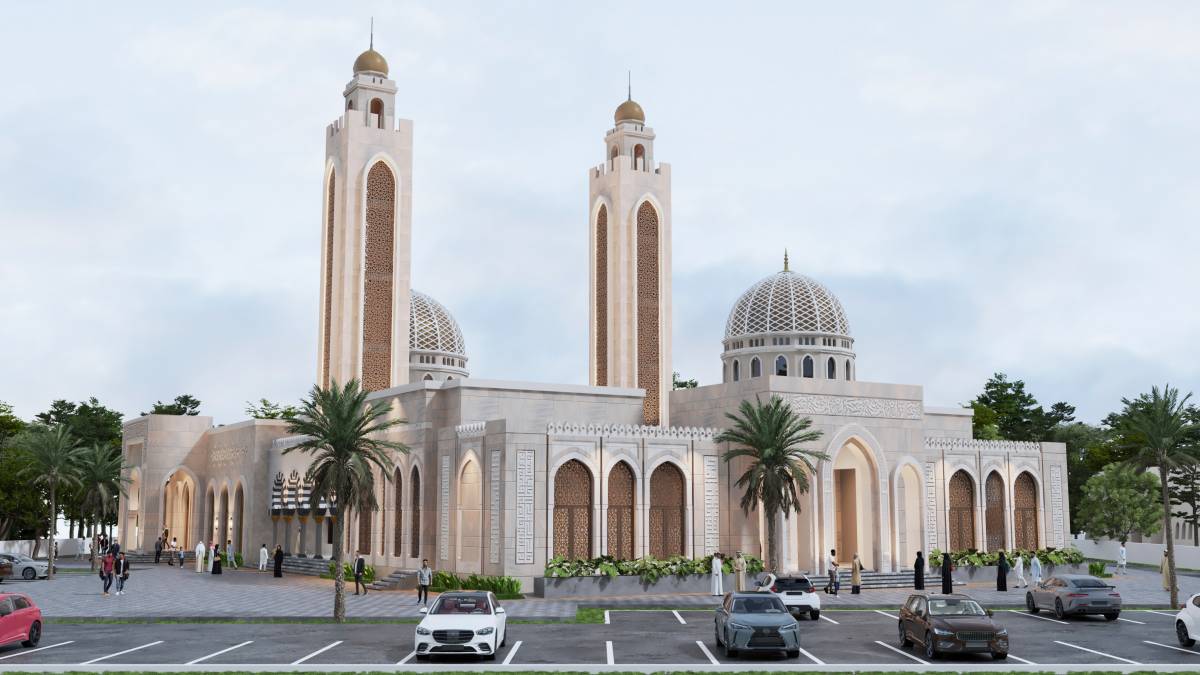
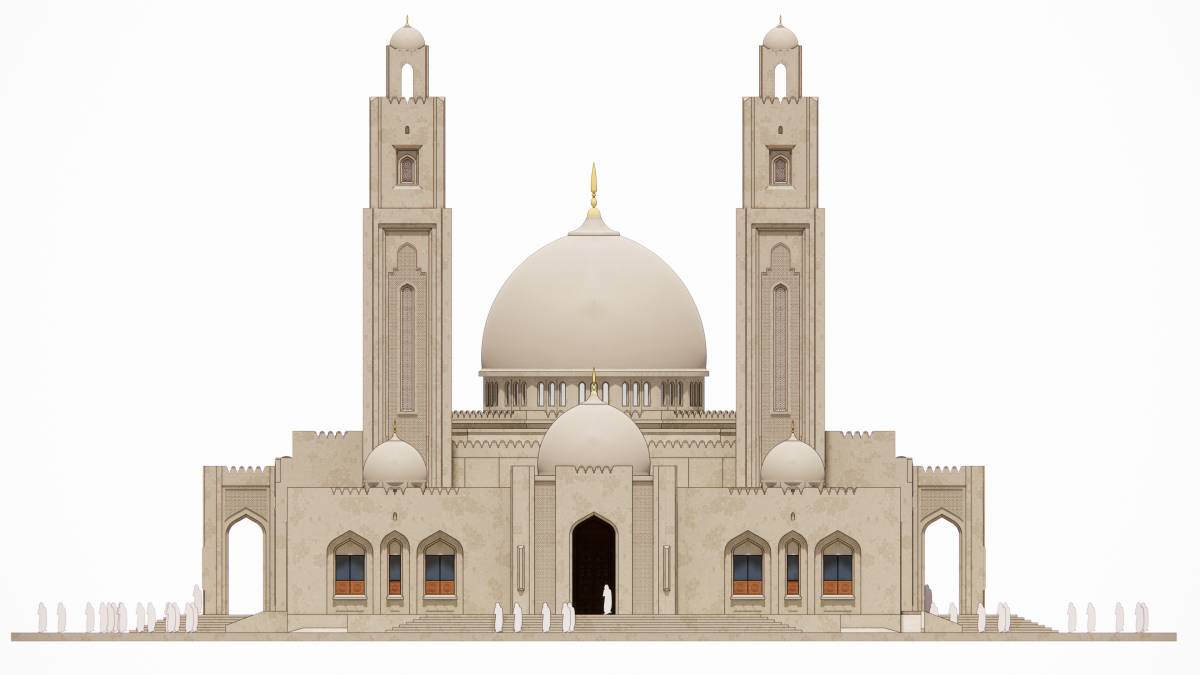
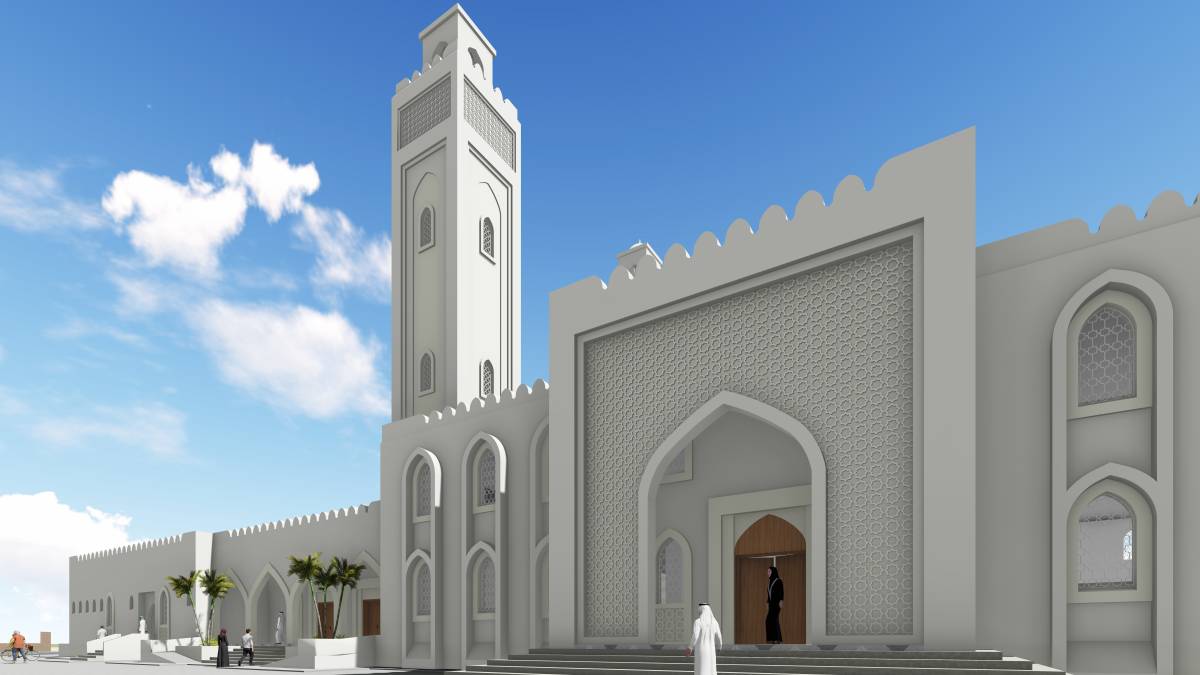
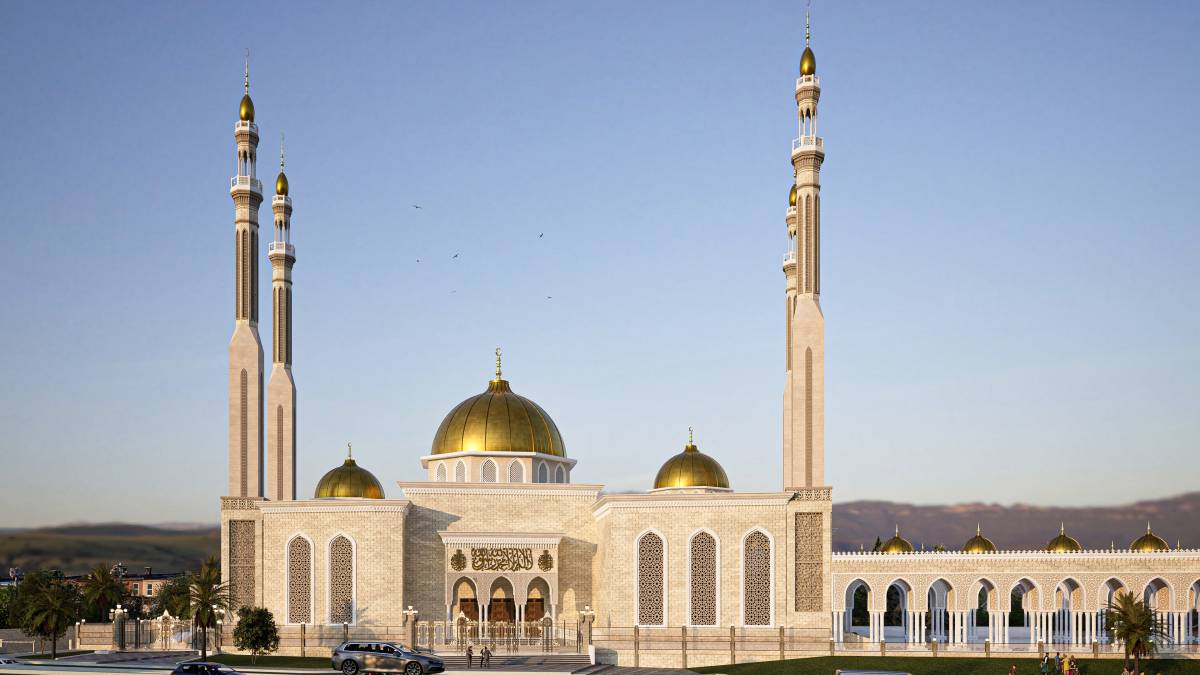
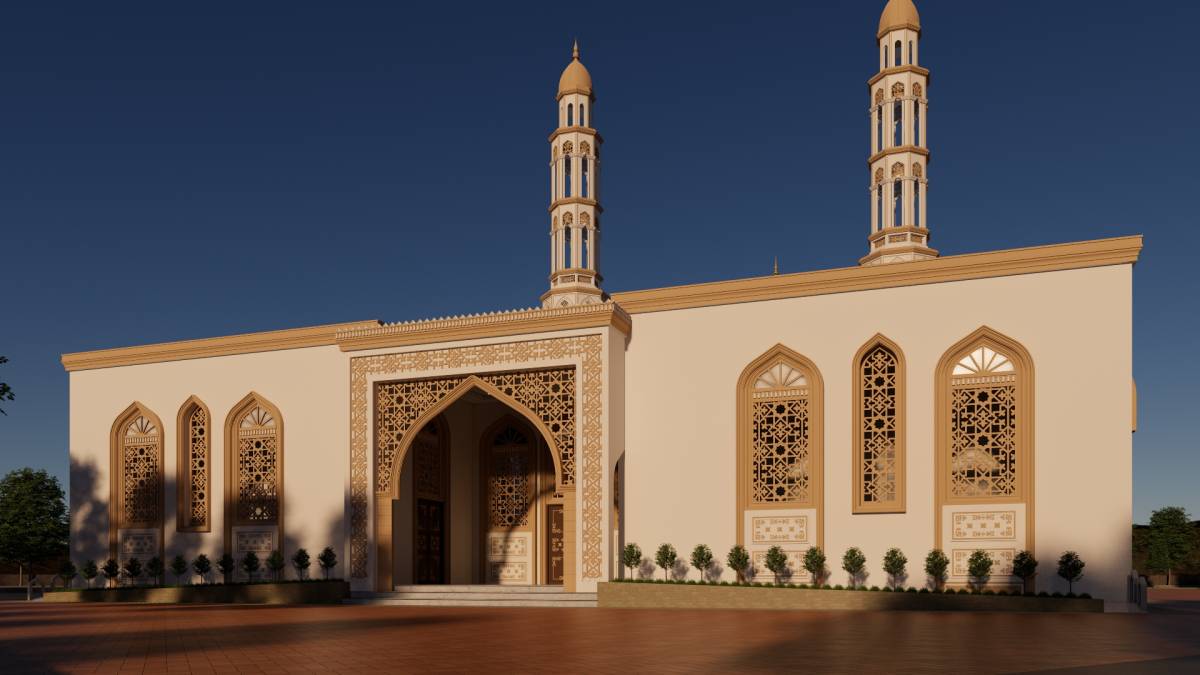
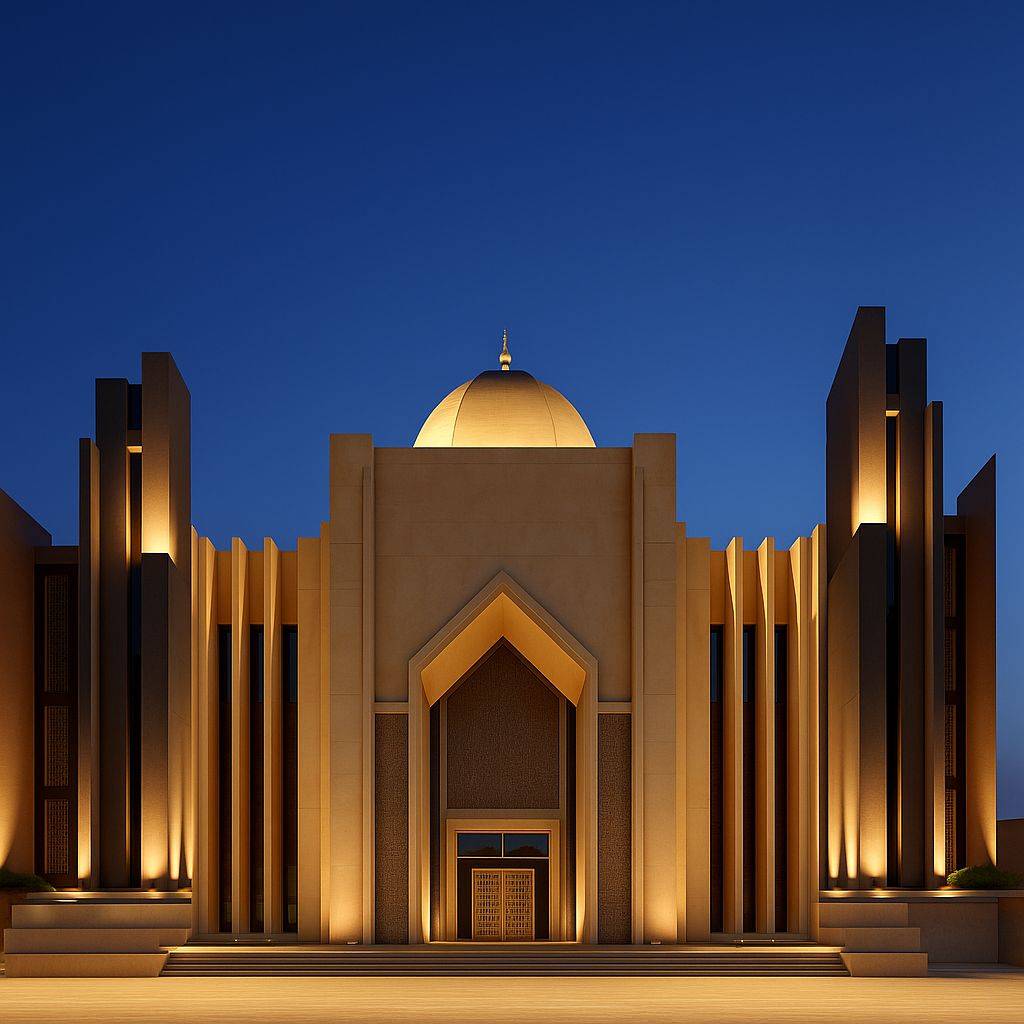
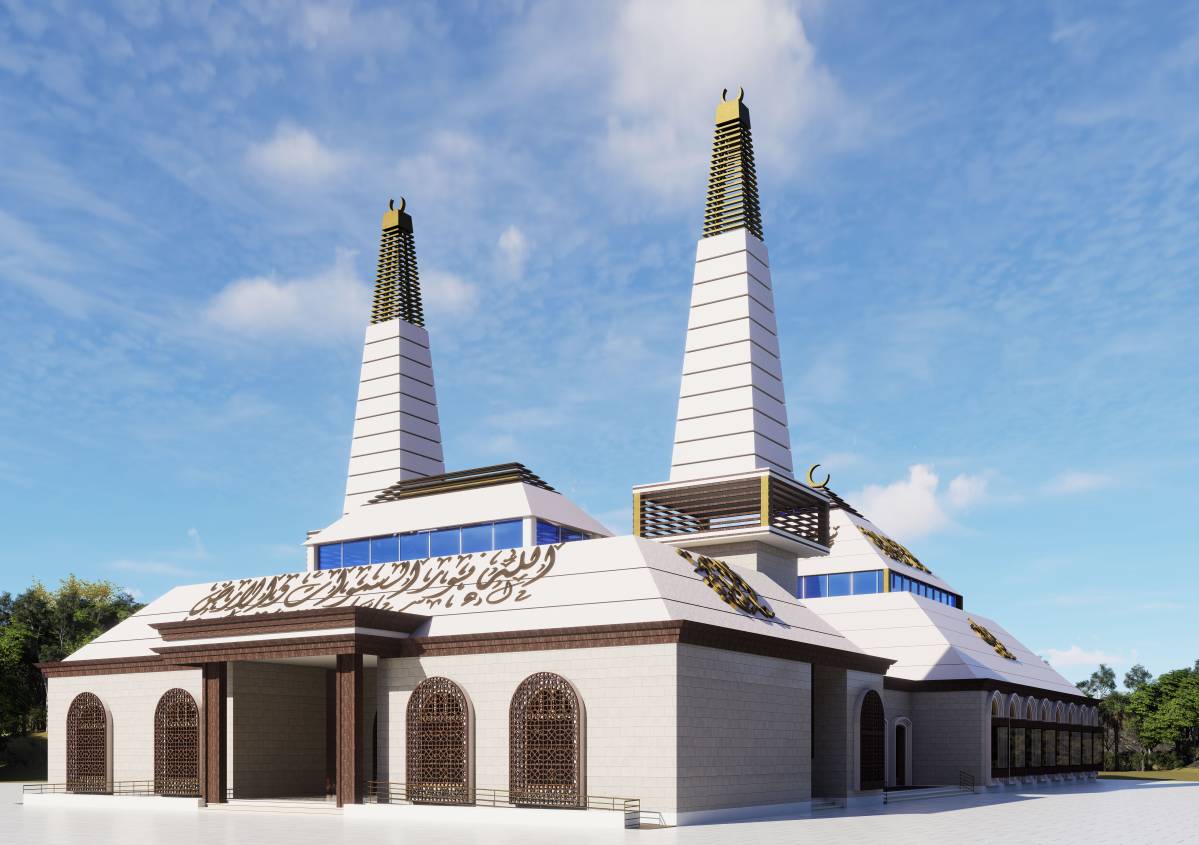
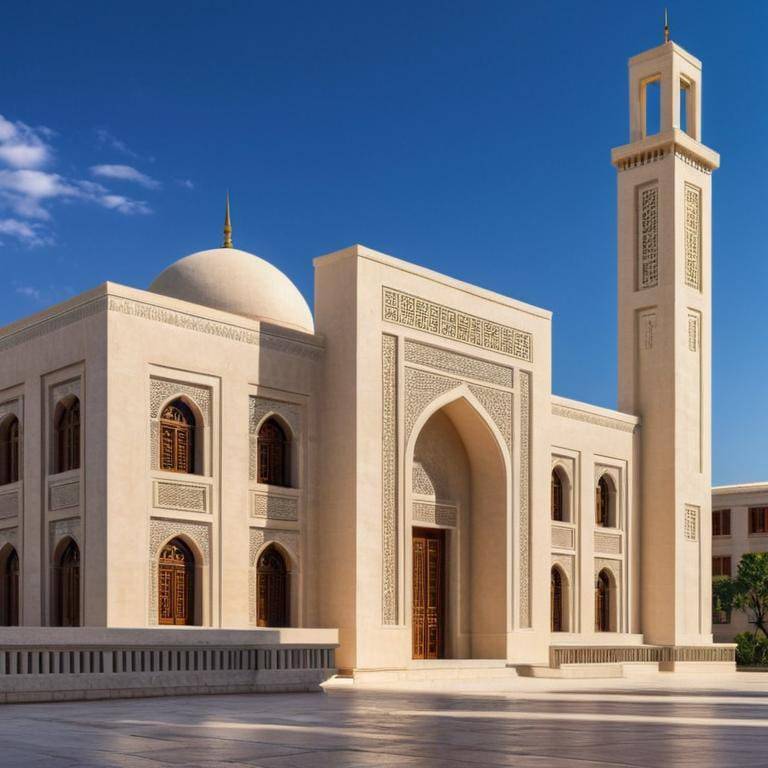
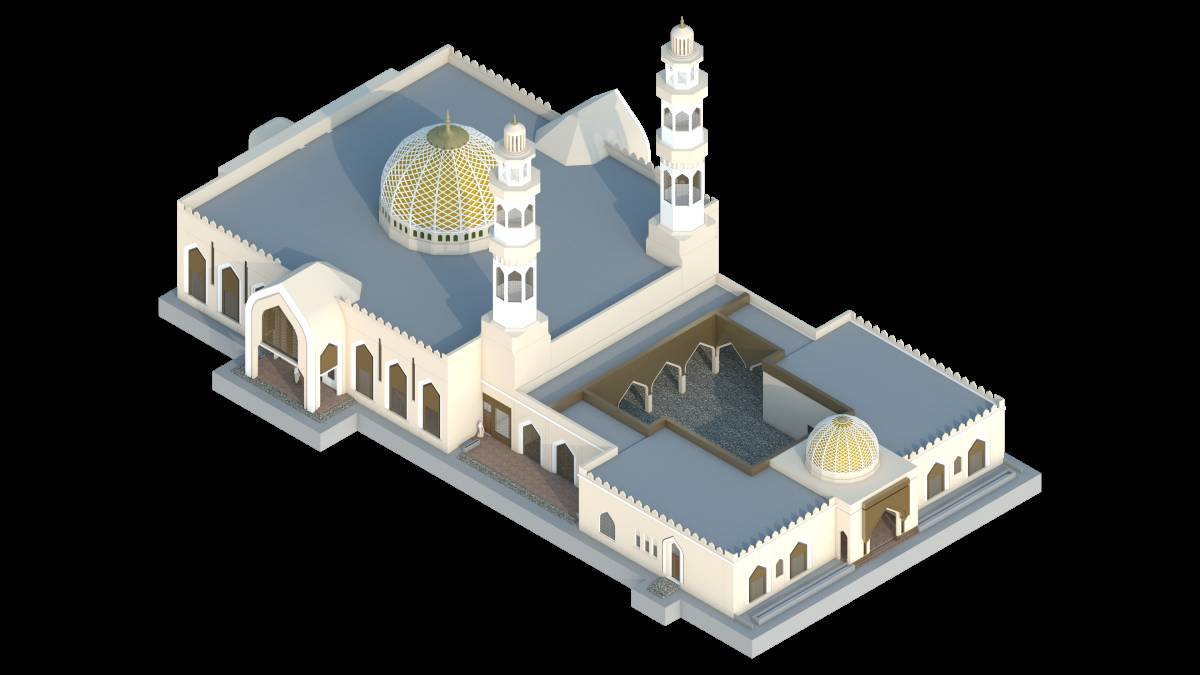
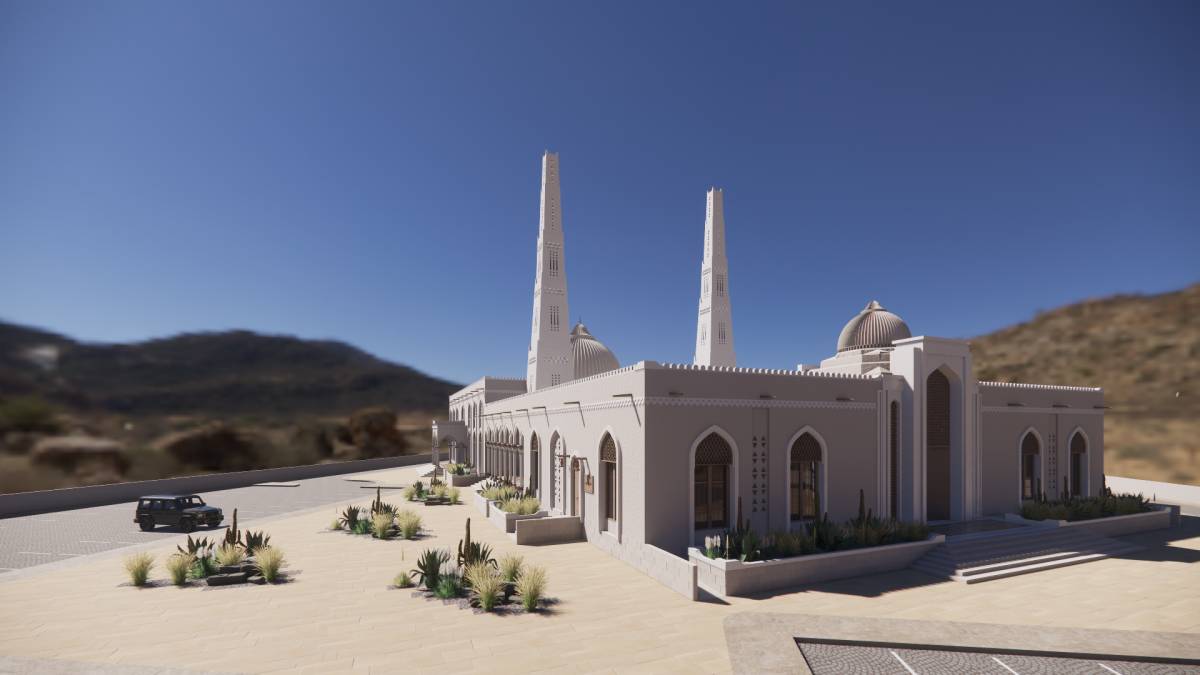
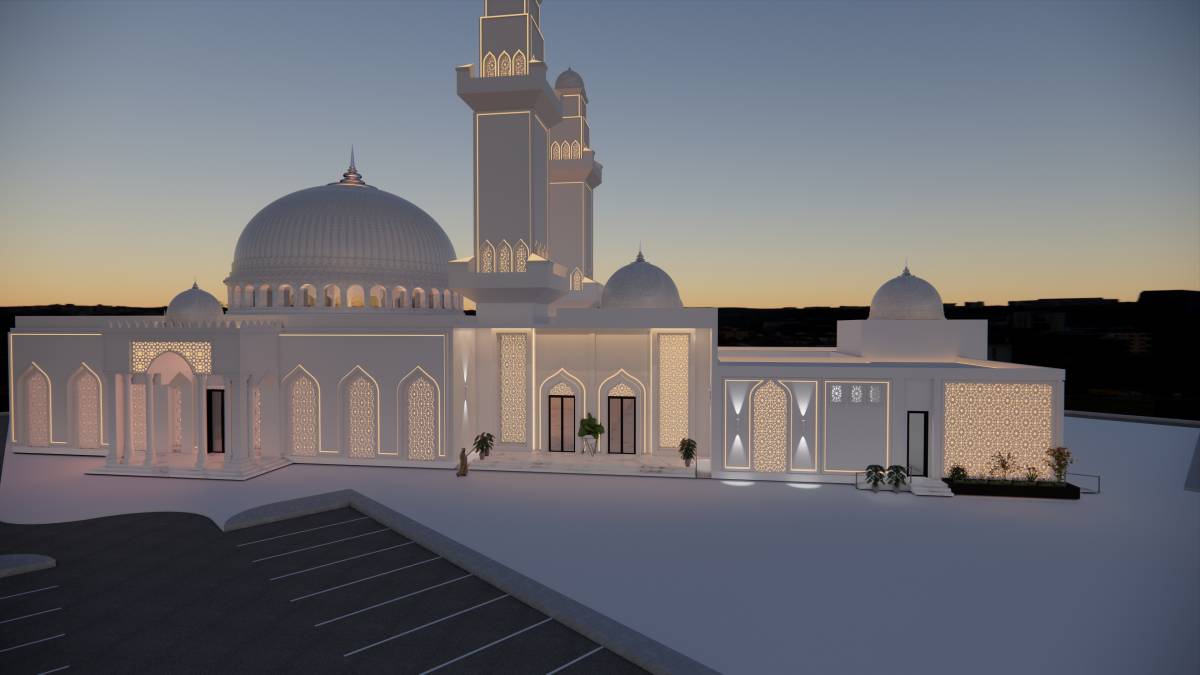
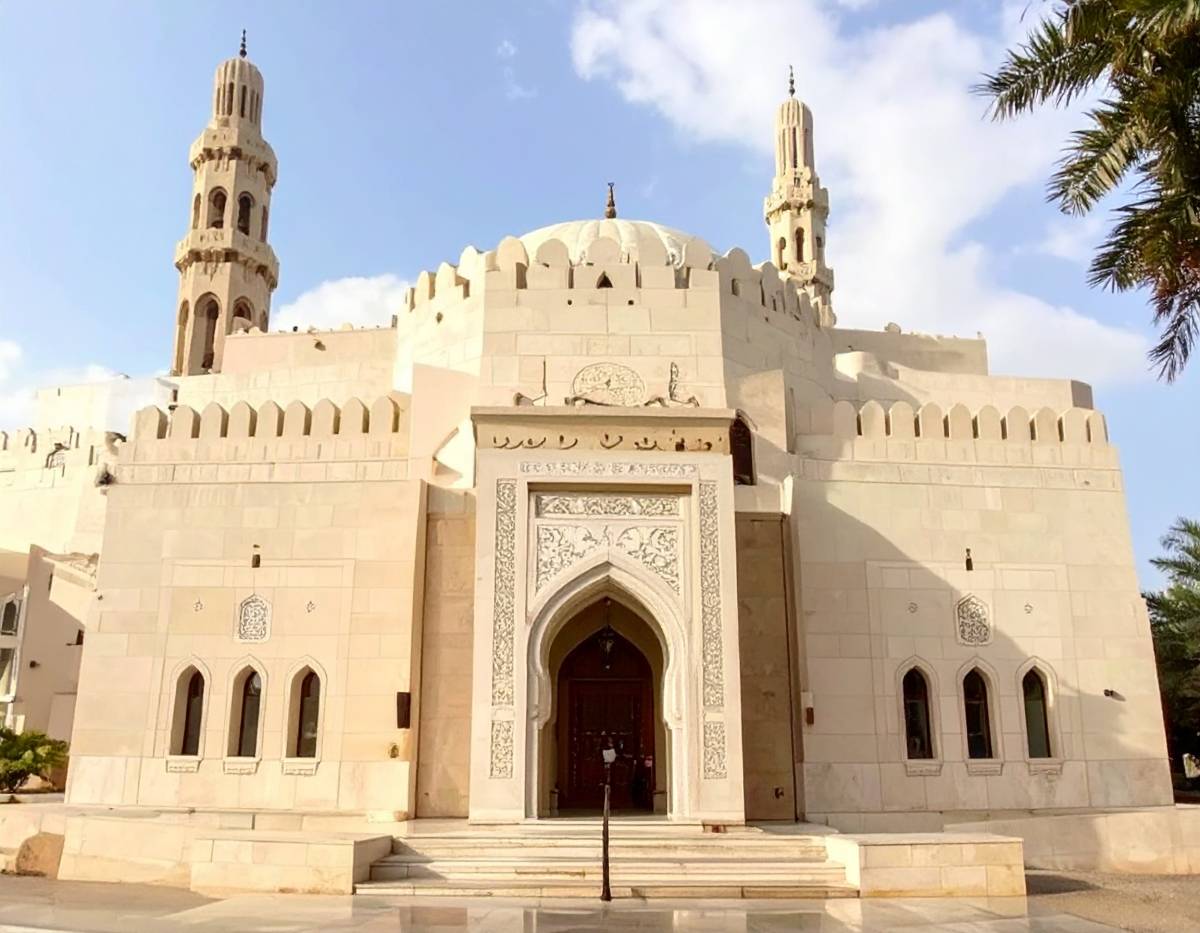
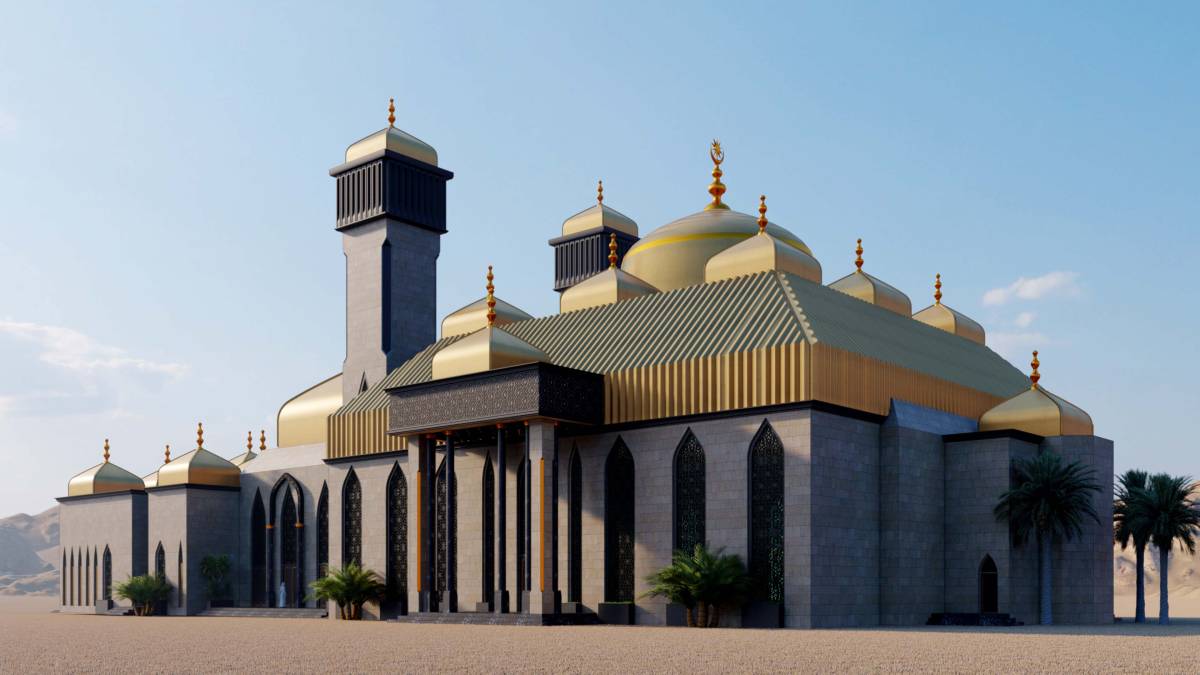
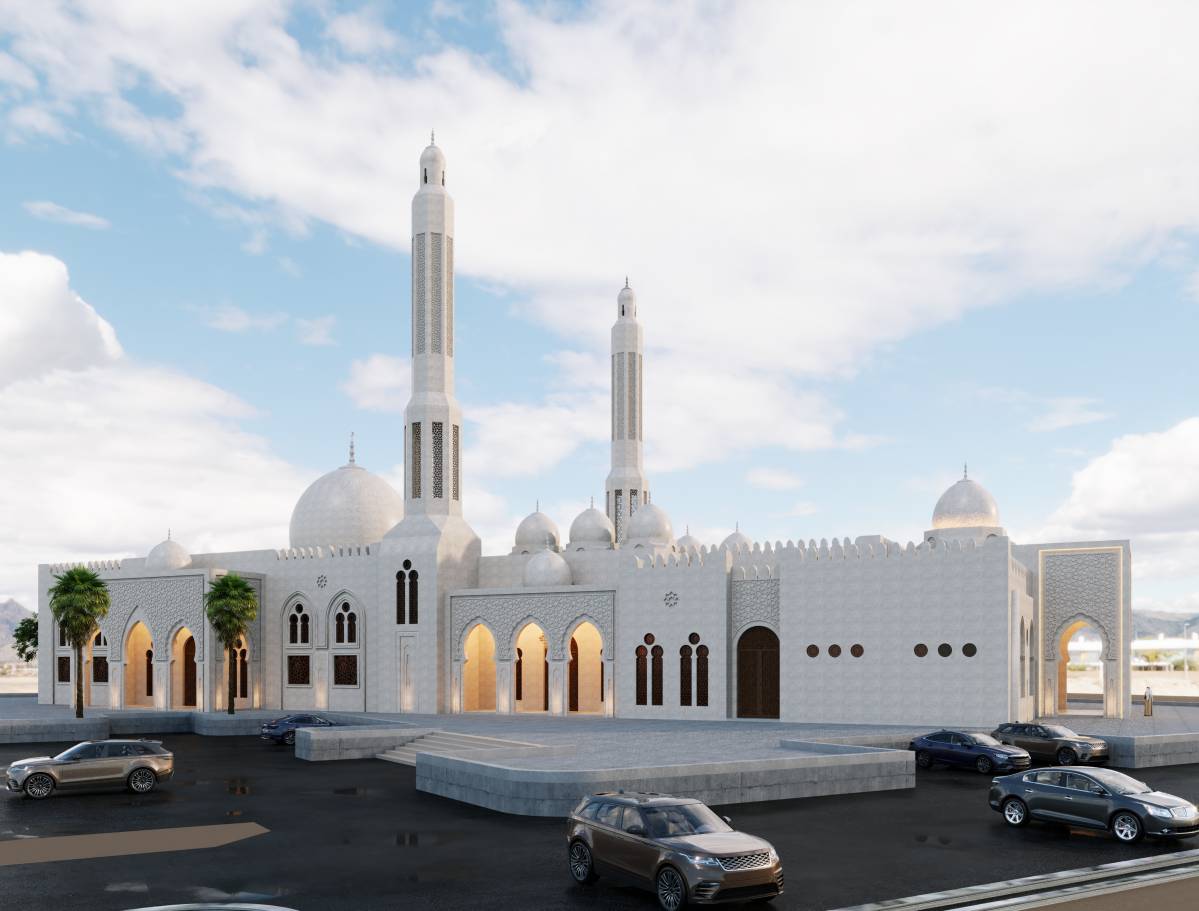
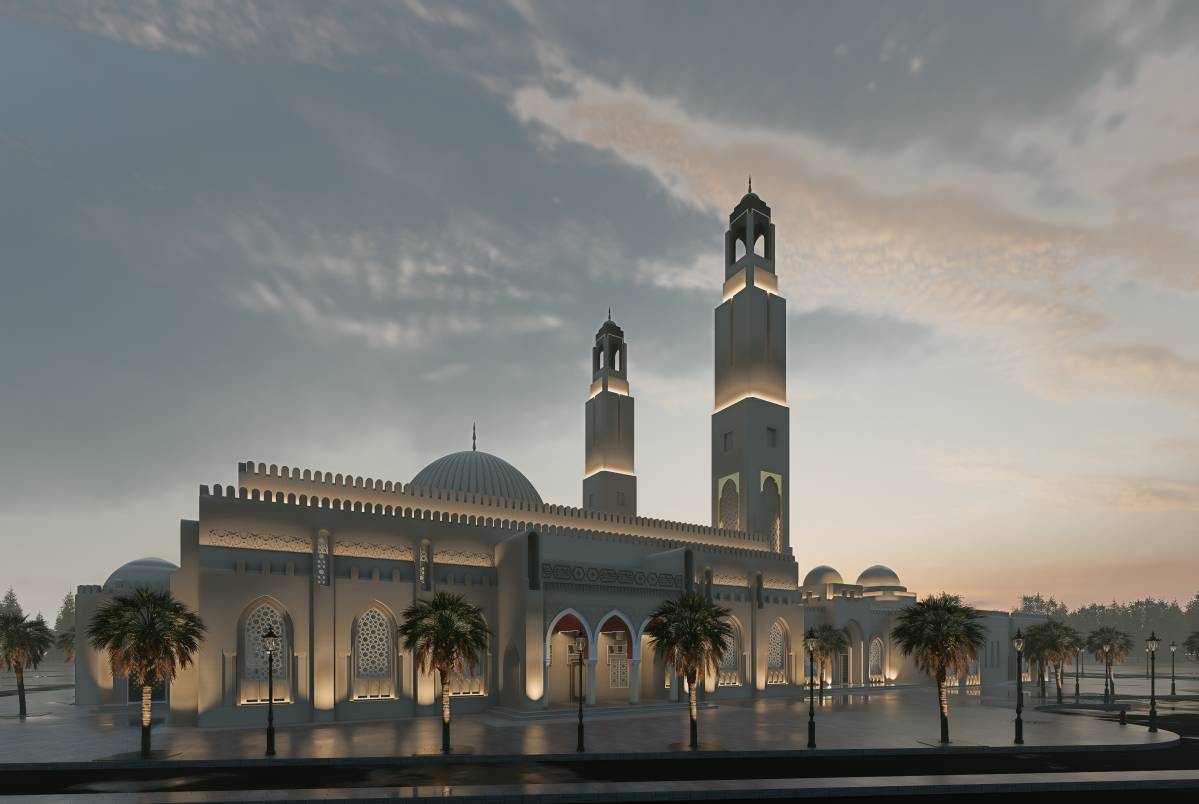
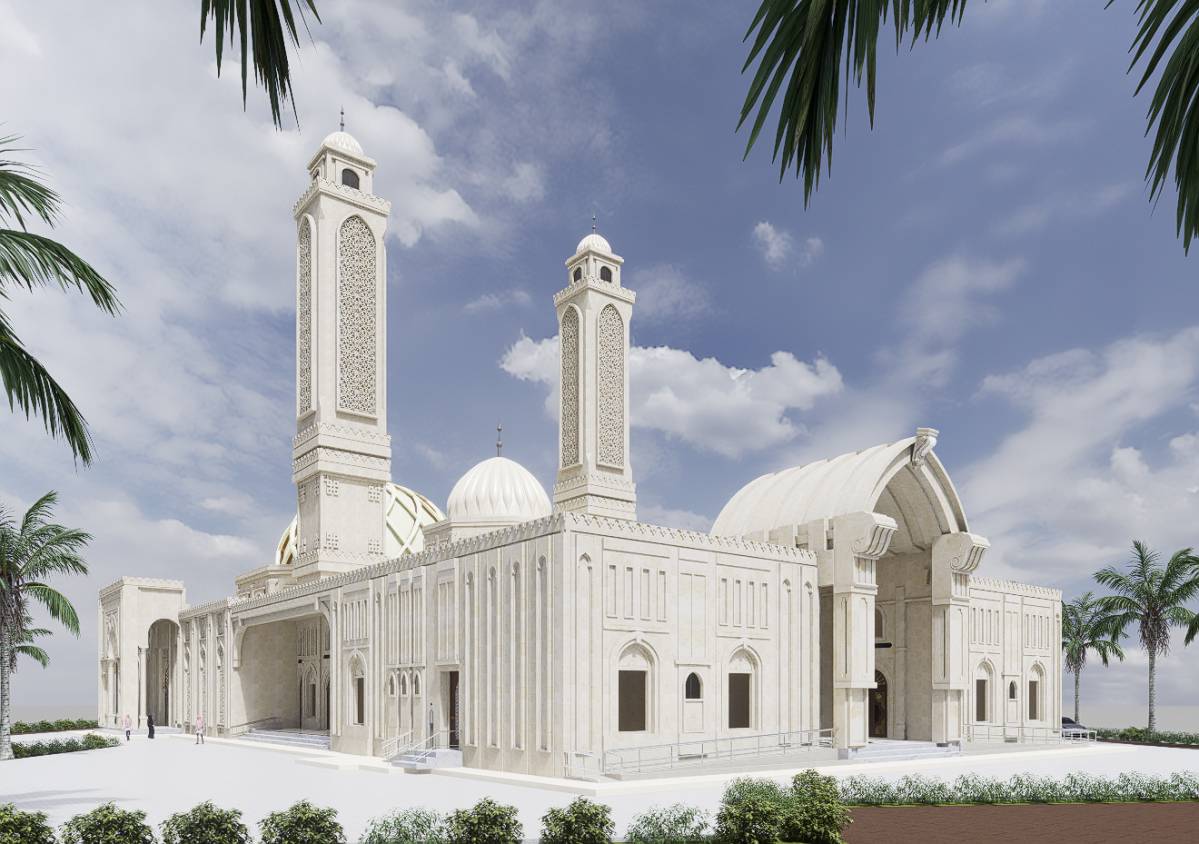
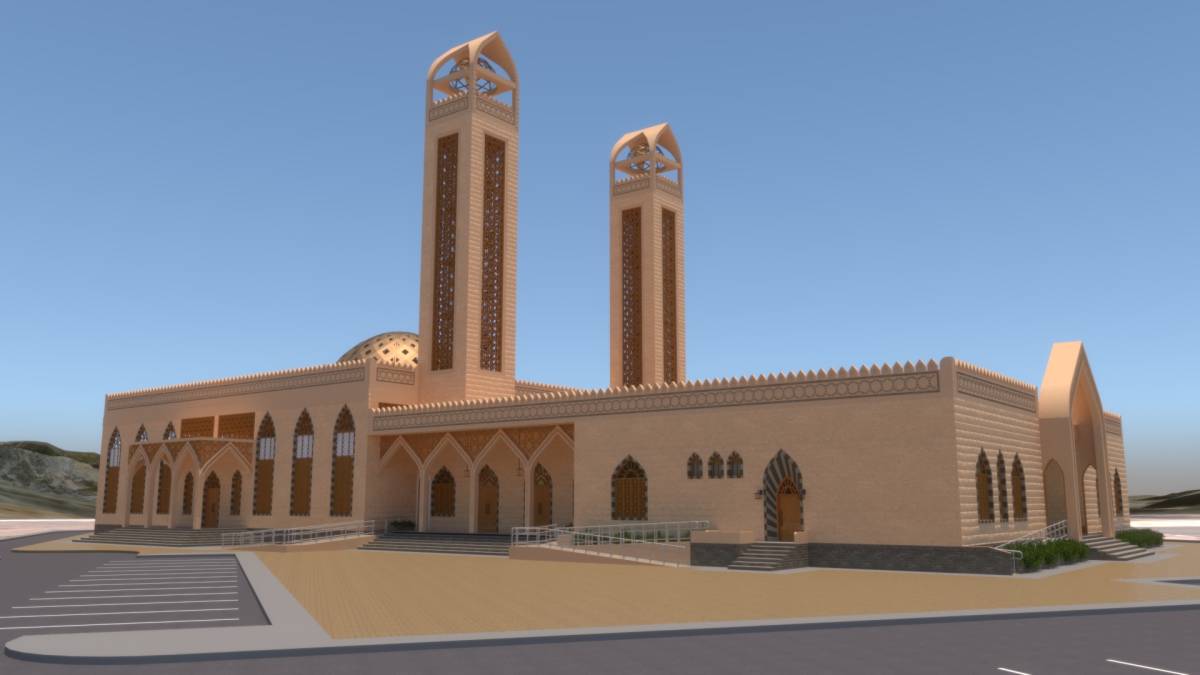
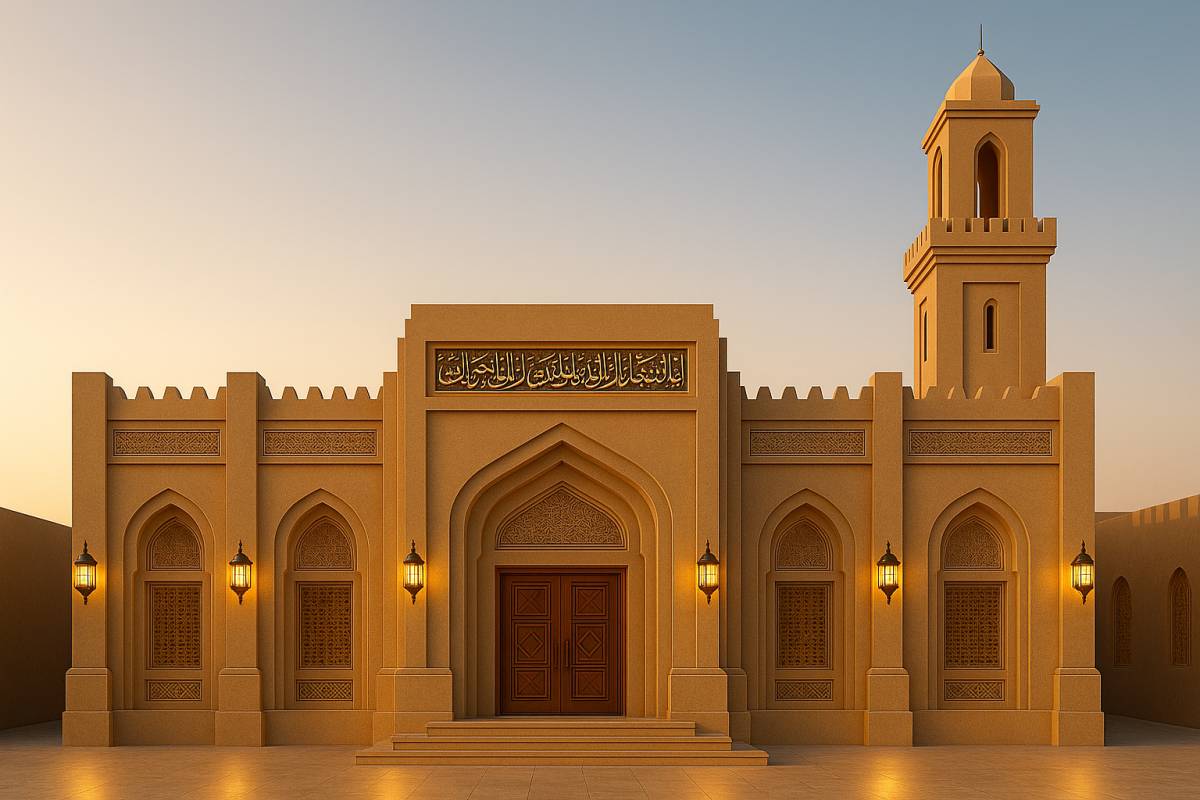
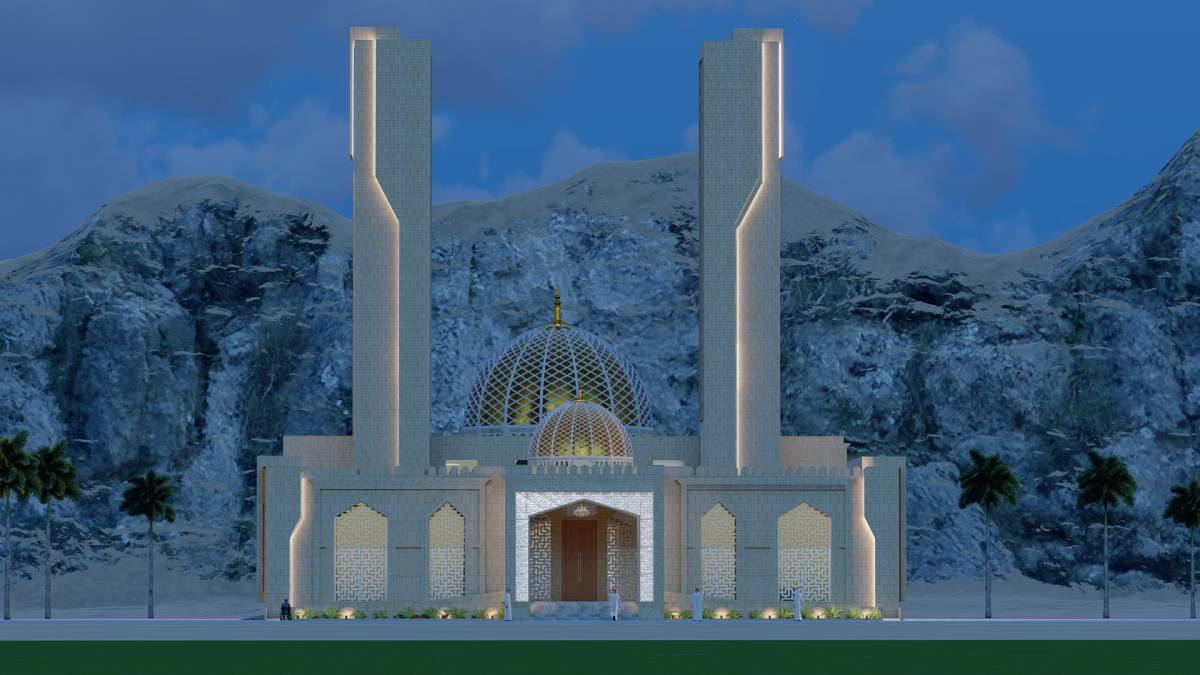
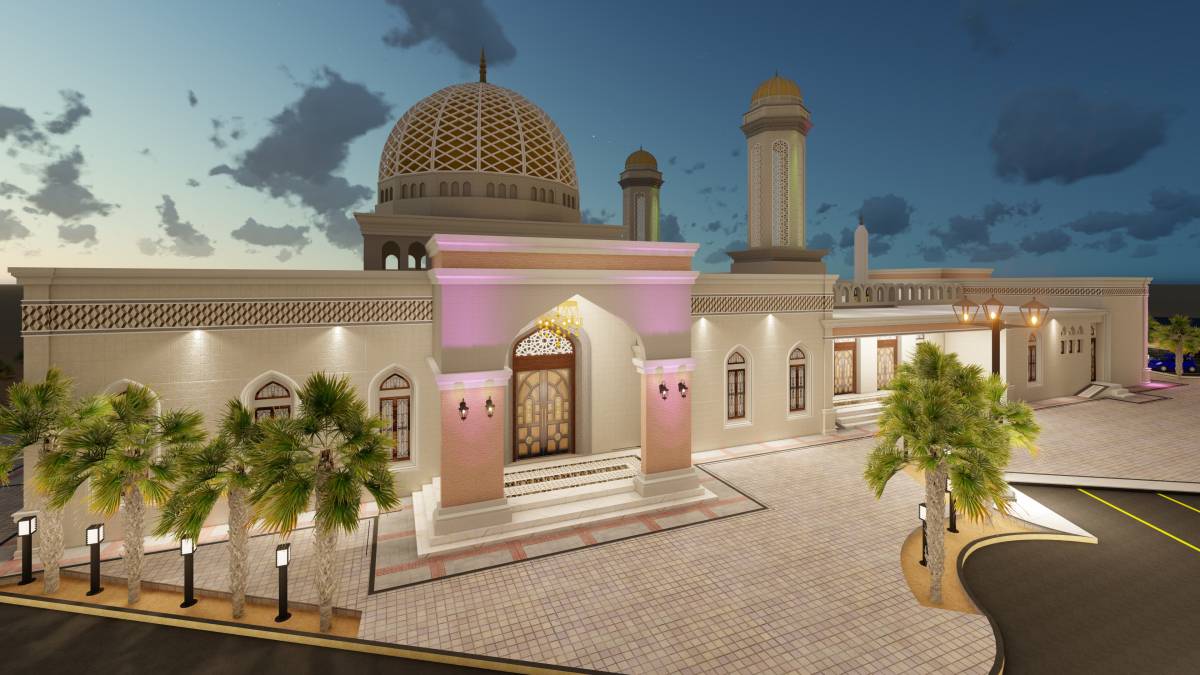
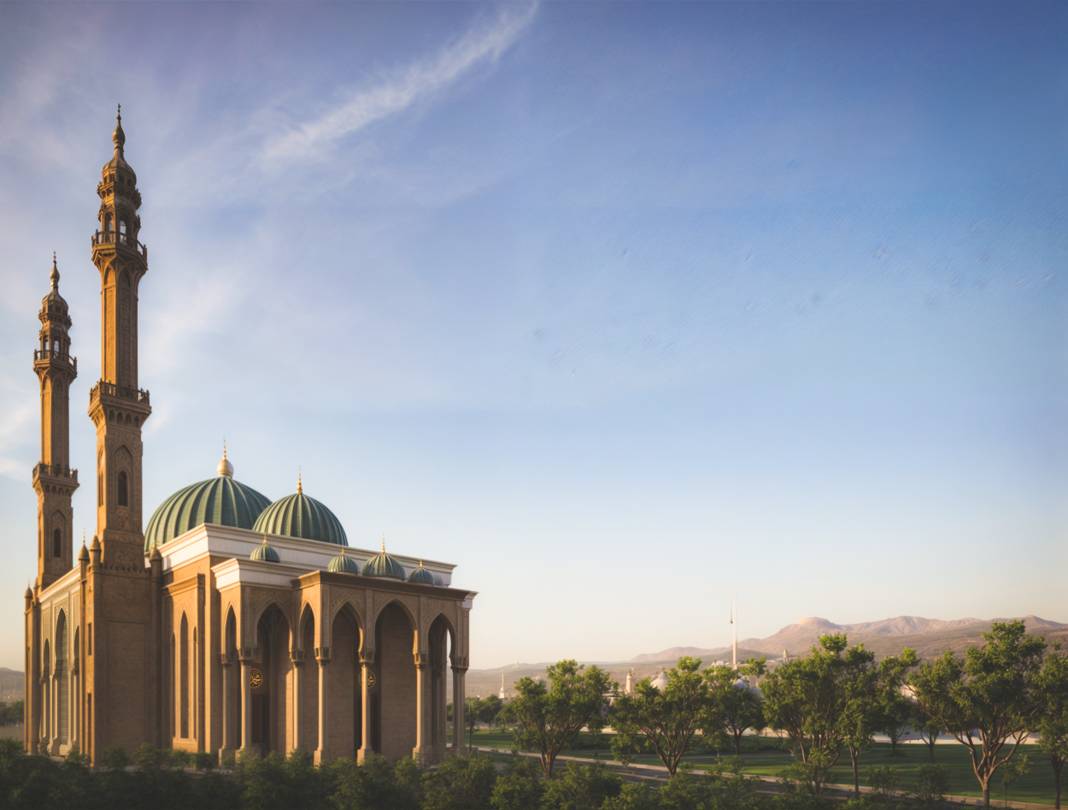
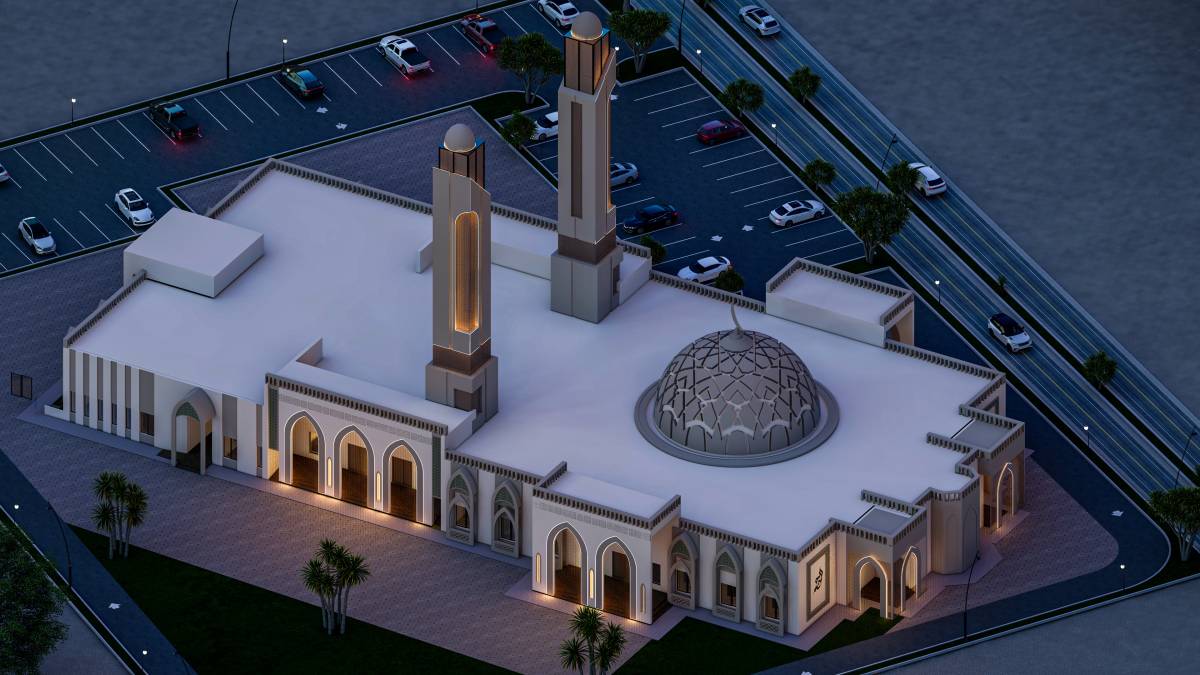
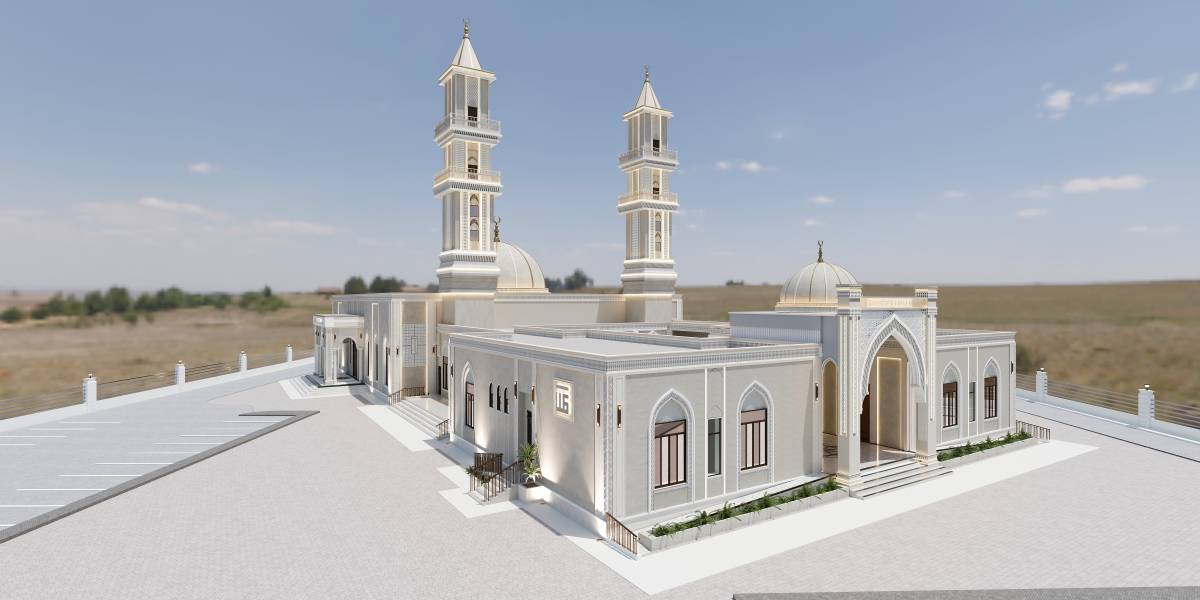
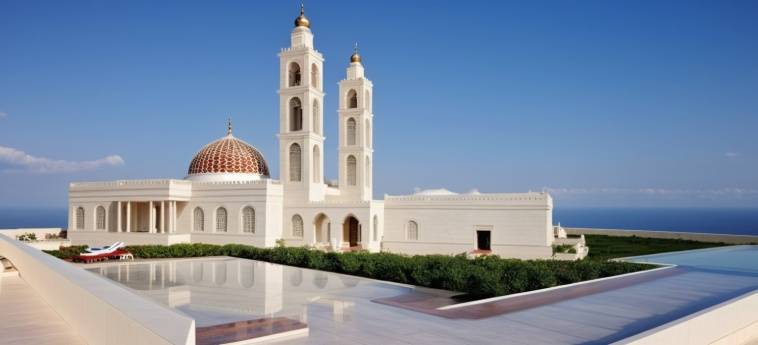
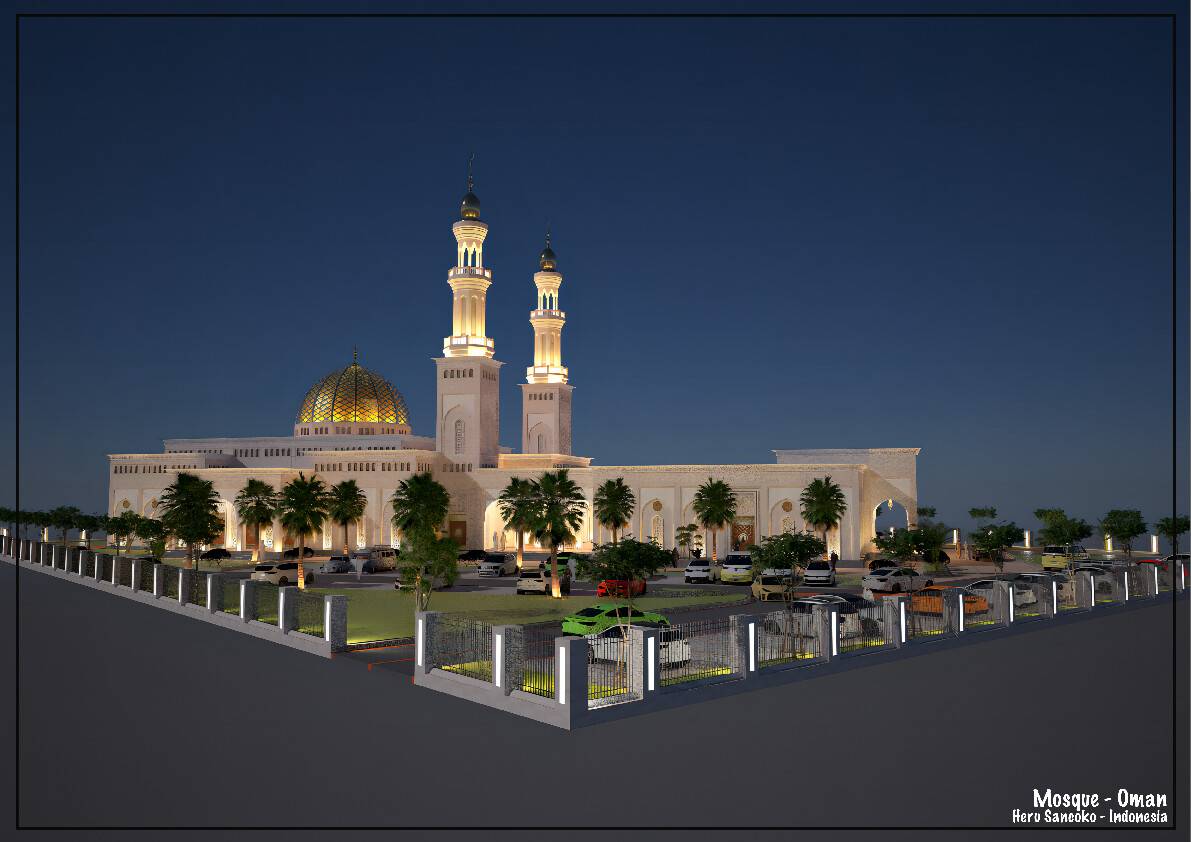
The mosque façade is designed with a modern Islamic architectural approach, blending classical elements such as arches and minarets with a clean, symmetrical contemporary layout.
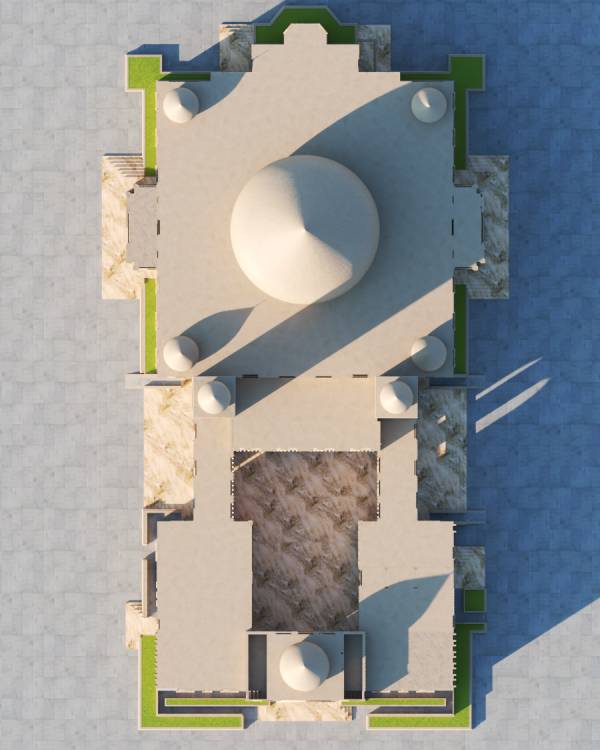
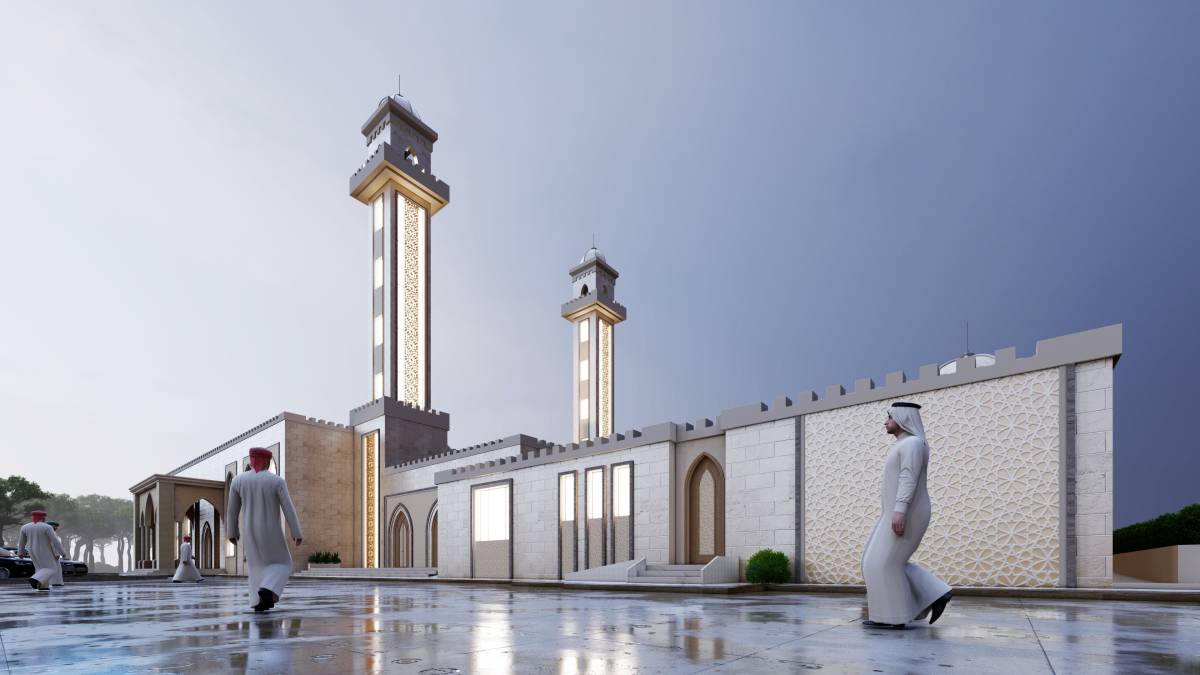
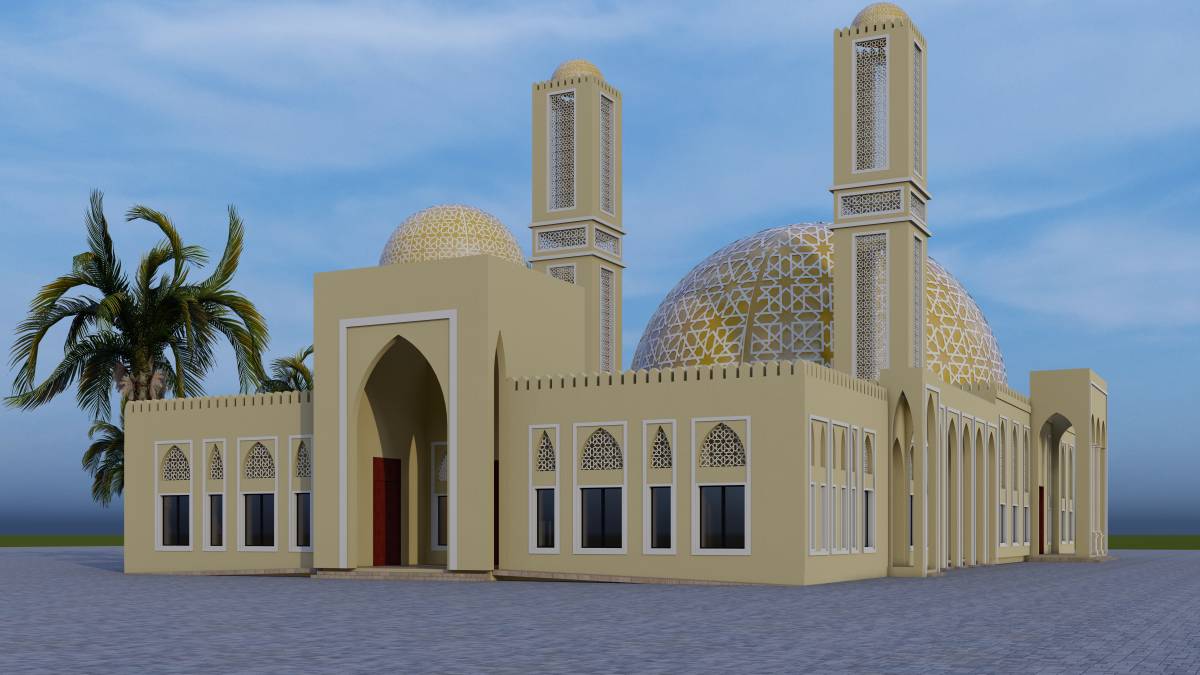
At the heart of the structure stands a grand central dome, flanked by two slender minarets adorned with mashrabiya—the traditional Middle Eastern geometric screenwork.
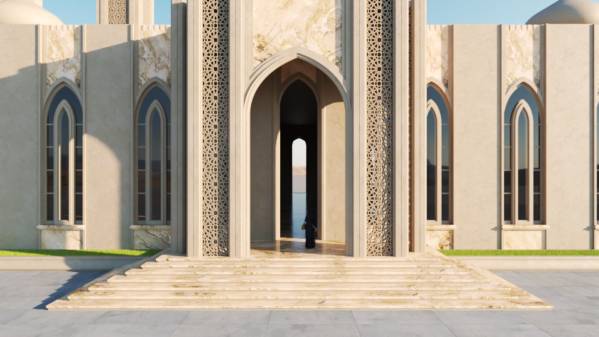
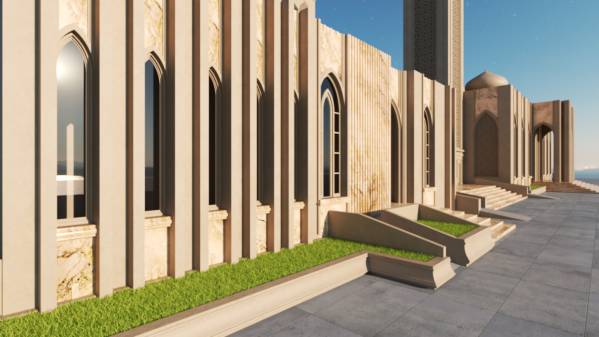
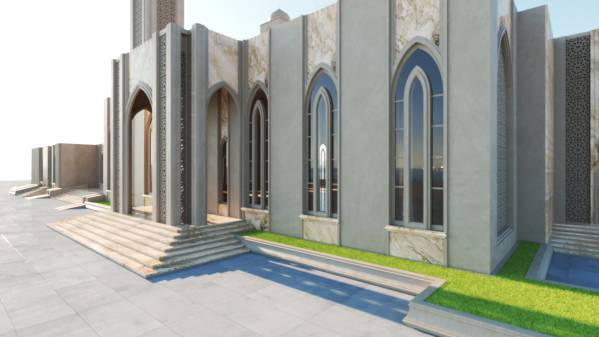
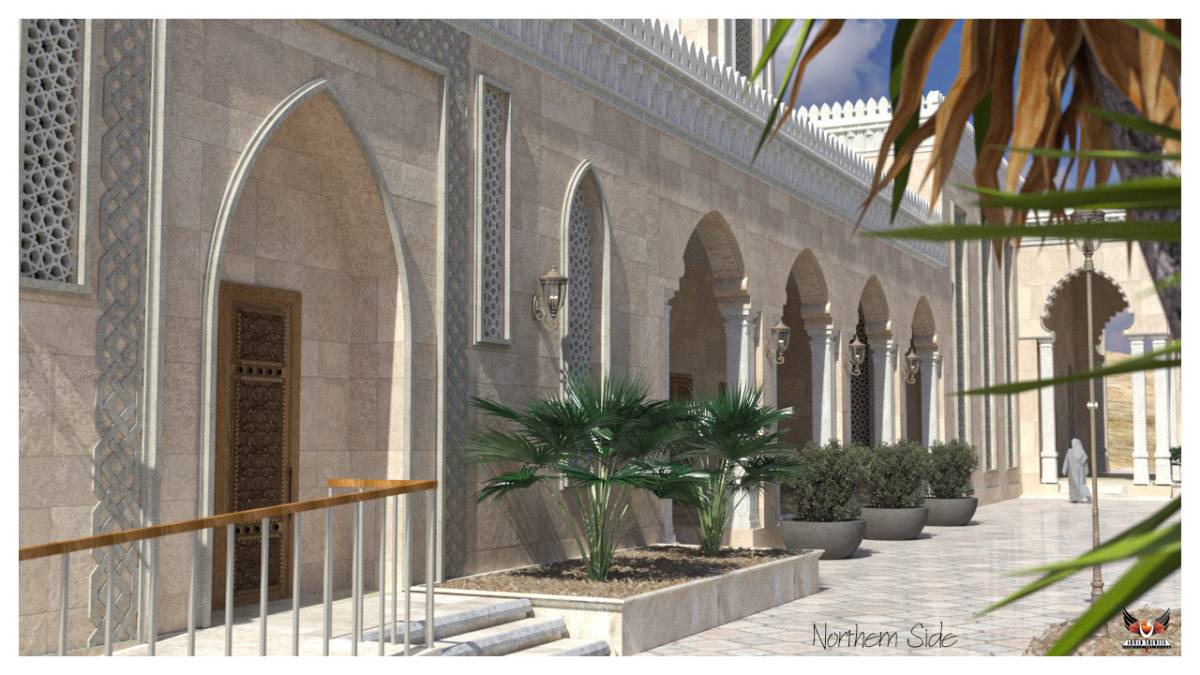
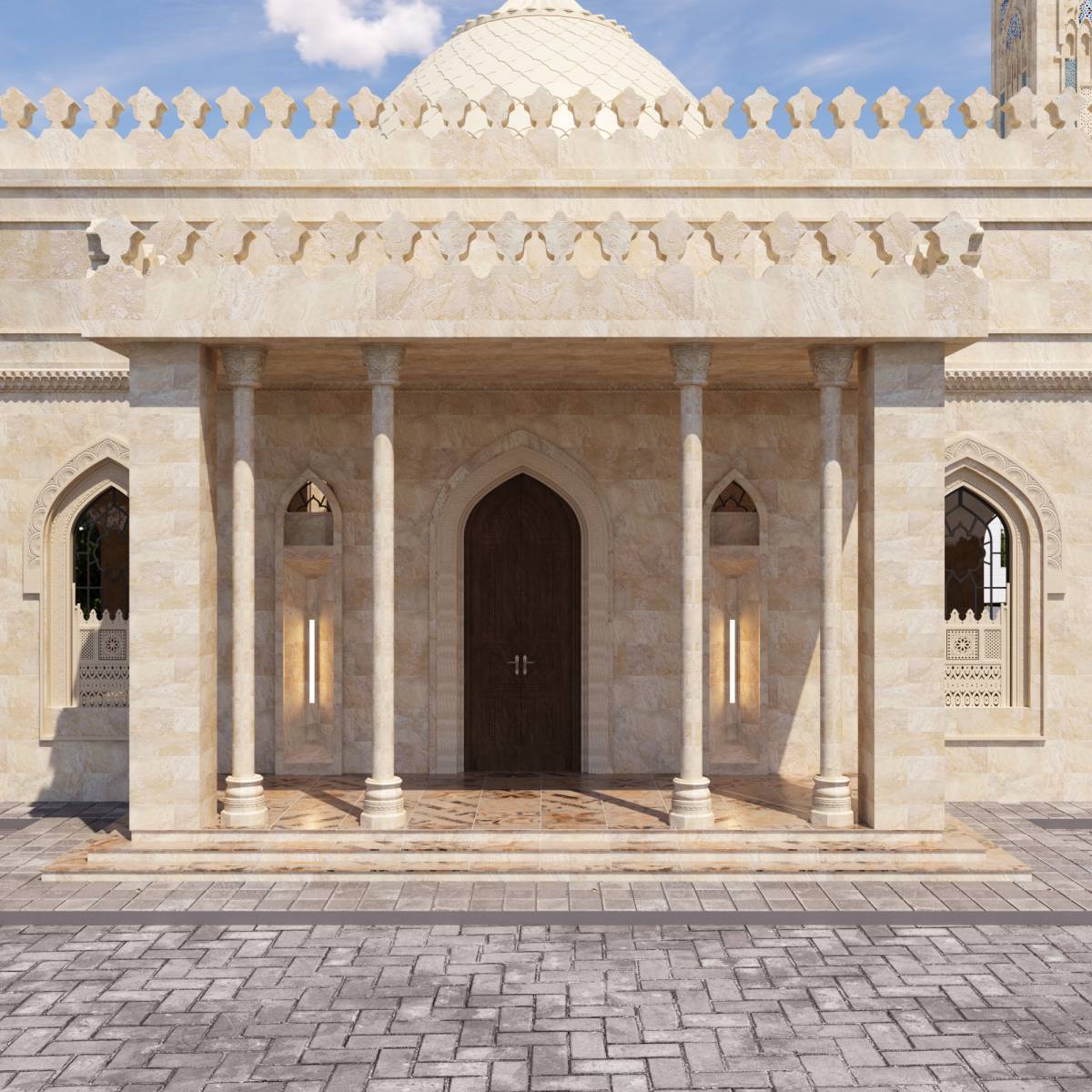
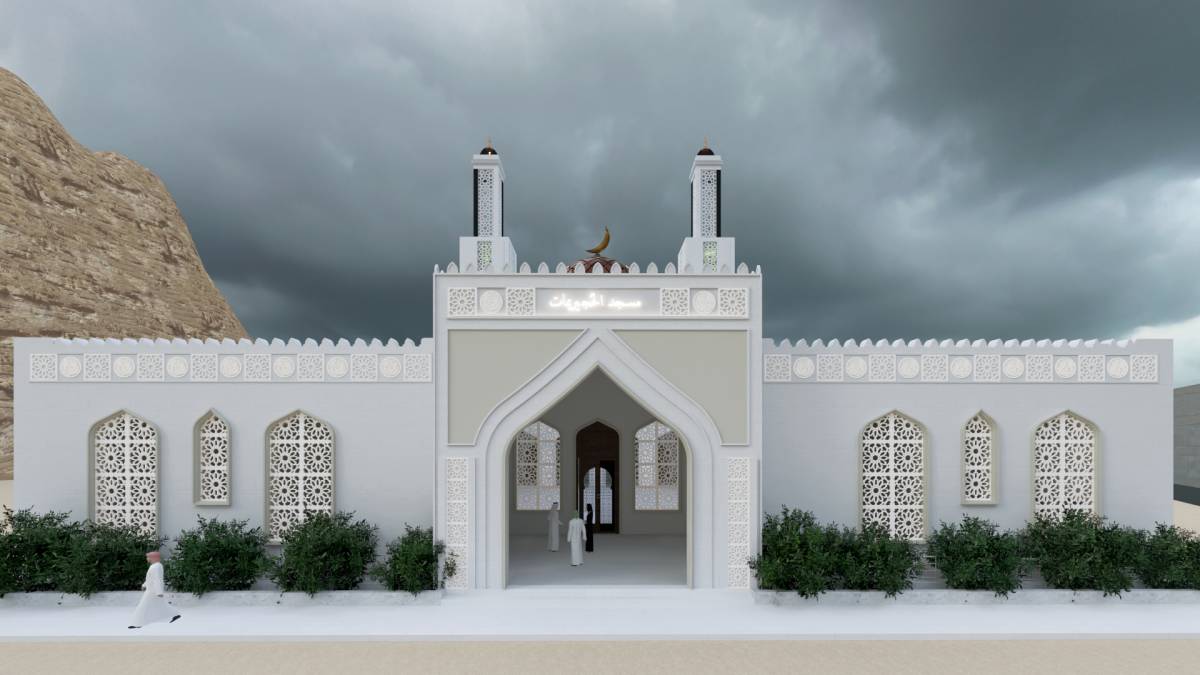
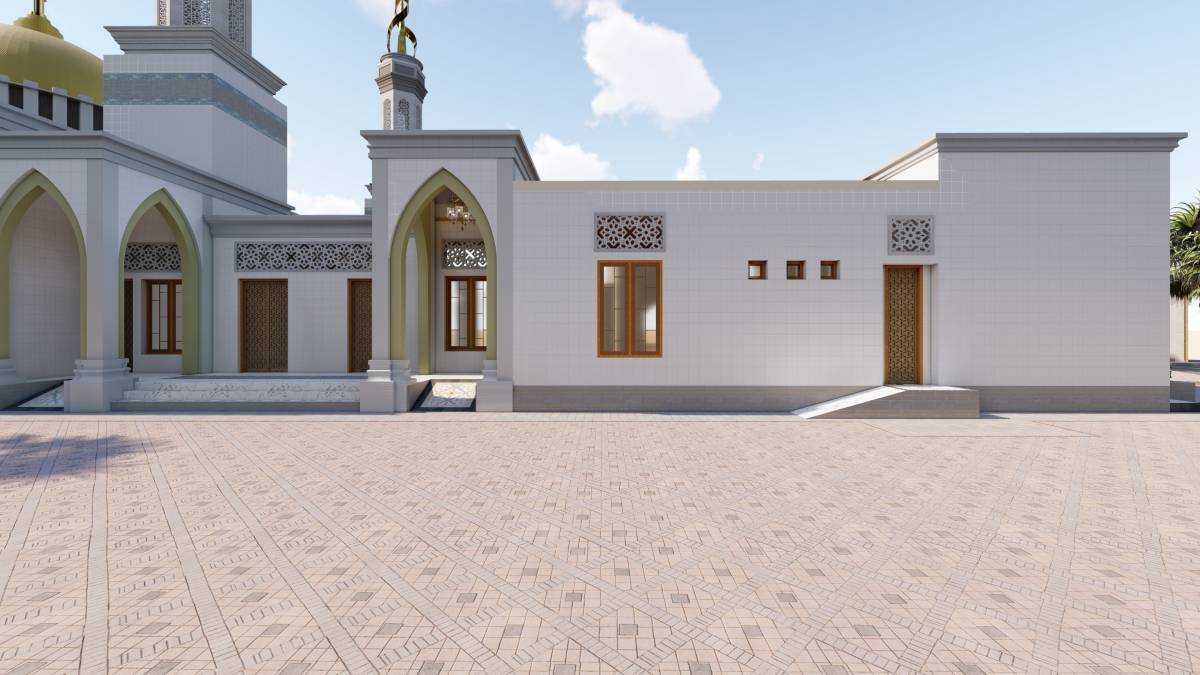
Tall pointed-arch windows dominate the façade, creating a rhythmic and harmonious visual language. These forms are not only aesthetic but also symbolize the spiritual connection between earth and heaven—between humankind and the Creator.
2. Materials and Textures
The façade incorporates two primary types of marble to convey a sense of grandeur, purity, and timeless elegance:
Travertine Beige
A light beige marble with natural pores and a soft texture. Travertine brings a warm, organic feel to the façade surface while being resistant to extreme weather conditions.
The beige tone itself evokes calmness, simplicity, and purity—an ideal palette for a place of worship.
Cream Marfil
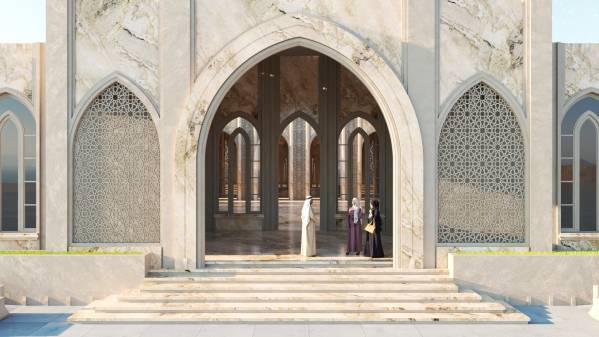
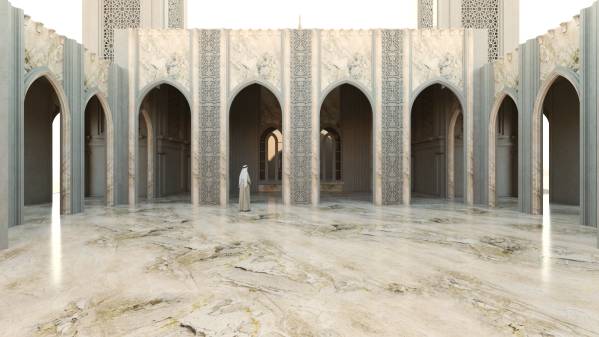
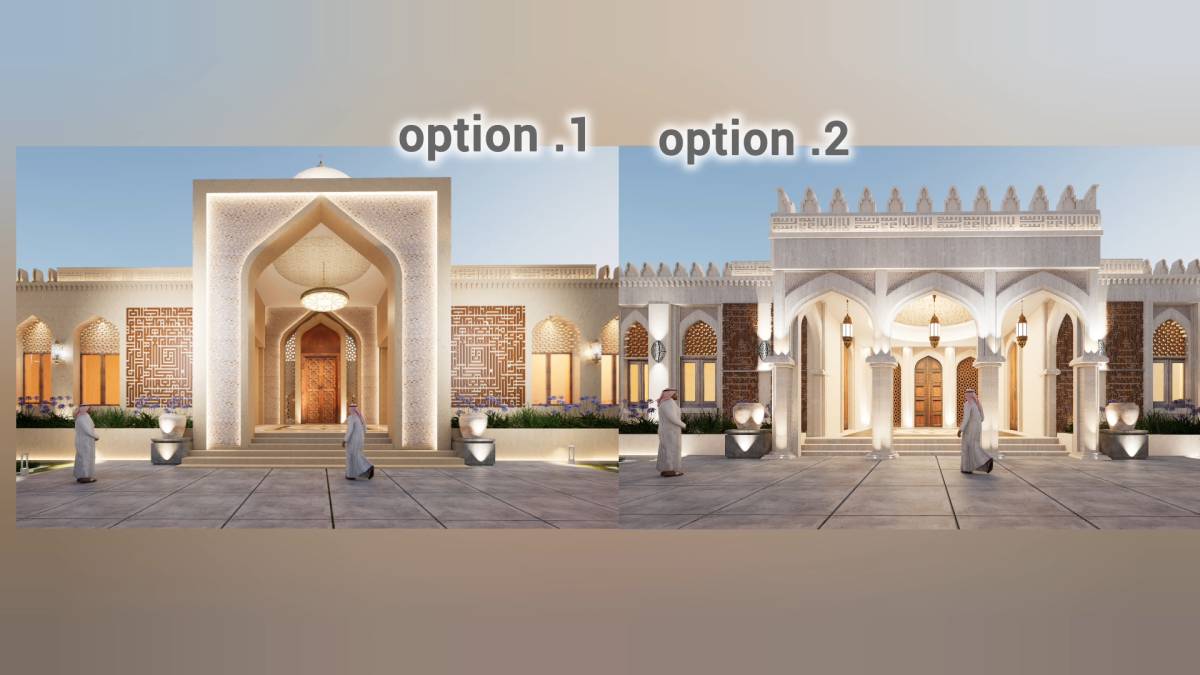
A renowned Spanish marble known for its bright cream color and delicate veining. It is used for key architectural elements such as the main entrance and major structural accents to enhance the sense of luxury and monumentality.
Cream Marfil reflects natural light beautifully, adding to the façade’s elegant and serene appearance.
3. Architectural Elements & Philosophical Meaning
The central dome represents the oneness of God, serving as the spiritual focal point of the building.
The twin minarets symbolize balance and serve the traditional purpose of the call to prayer (adhan).
The pointed arches express verticality and aspiration toward the Divine, reinforcing the majesty and spiritual elevation of the architecture.
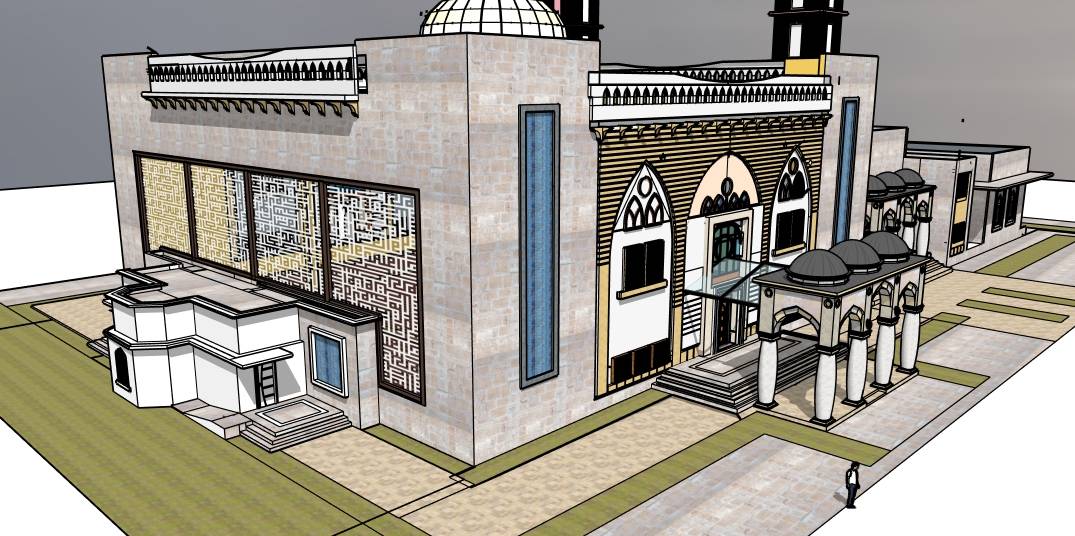
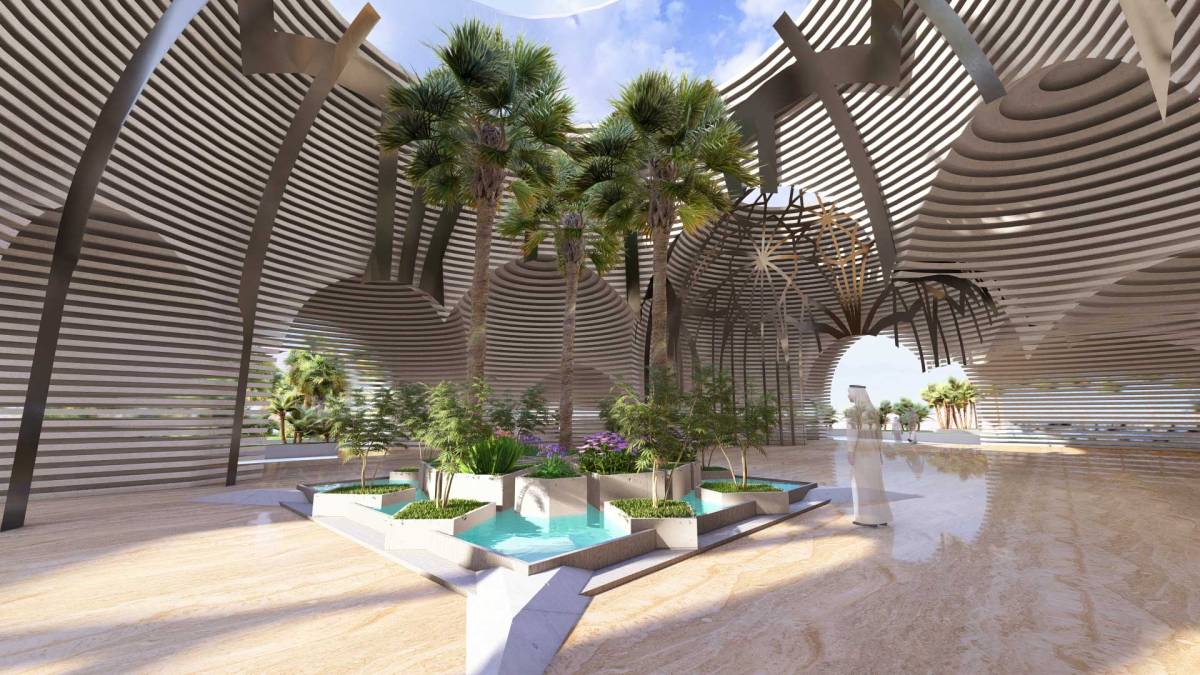
Mashrabiya patterns on the walls and minarets serve a dual function: as natural ventilation and as decorative screens that filter light and cast sacred shadows within the structure.
Green garden strips at the base of the façade offer visual relief and reflect the balance between natural softness and architectural solidity.
4. Conclusion
This façade design is crafted not only to deliver a strong architectural identity, but also to convey deep spiritual meaning.
The selected materials are both durable and symbolic, while every element—both form and finish—works together to create a harmonious unity that reflects core Islamic values: purity, balance, and beauty.